Vitamin E is often hailed as a wonder nutrient that offers a wide range of health benefits. In this article, we will explore the importance of it, its sources, recommended daily intake, and its various health advantages. Let’s dive into the world of this essential nutrient and uncover why it’s so important for your well-being.
Introduction to Vitamin E
Vitamin E, a fat-soluble antioxidant, is a group of compounds that includes tocopherols and tocotrienols. It is renowned for its ability to protect cells from damage caused by free radicals, thereby preventing oxidative stress. This vitamin is essential for overall health and is vital for the proper functioning of several organs and bodily systems.
The Importance of Vitamin E
It plays a crucial role in maintaining good health. It supports the immune system, helps repair damaged skin, promotes eye health, and much more. Its antioxidant properties help reduce the risk of chronic diseases, making it an indispensable nutrient.
Sources of Vitamin E
To reap the benefits , it’s important to incorporate foods rich in this vitamin into your diet. Nuts, seeds, spinach, and vegetable oils are excellent sources of Vitamin E. Incorporating these into your meals can help you maintain adequate levels of this vital nutrient.
Recommended Daily Intake
The recommended daily intake of varies by age and sex. On average, adults should aim for around 15 milligrams (22.4 IU) of Vitamin E per day. However, it’s best to consult a healthcare professional to determine the ideal dosage for your specific needs.
Health Benefits of Vitamin E
Vitamin E and Skin Health
Vitamin E is renowned for its skin-loving properties. It can help reduce signs of aging, moisturize the skin, and provide relief from skin conditions such as eczema. Many skincare products incorporate for its remarkable skin benefits.
Vitamin E for Hair
In addition to its benefits for the skin, Vitamin E also promotes hair health. It strengthens hair follicles, reduces hair loss, and adds shine to your locks. Using shampoos and conditioners containing Vitamin E can do wonders for your hair.
Vitamin E and Immune System
Vitamin E supports the immune system by protecting immune cells from oxidative stress. A strong immune system is crucial for fighting off infections and illnesses, making Vitamin E an essential part of a healthy diet.
Vitamin E and Heart Health
Studies have shown that it may help reduce the risk of heart diseases by preventing the oxidation of LDL cholesterol. This, in turn, lowers the risk of atherosclerosis and related heart issues.
Vitamin E and Eye Health
The antioxidant properties also benefit eye health. It helps protect the eyes from oxidative damage and may reduce the risk of age-related macular degeneration and cataracts.
Vitamin E for Antioxidant Properties
Vitamin E’s primary role is as an antioxidant. It neutralizes free radicals, preventing them from damaging cells and DNA. By doing so, it lowers the risk of chronic diseases and supports overall well-being.
Deficiency Symptoms and Risks
A deficiency in Vitamin E is rare, but it can lead to nerve and muscle damage, anemia, and other health issues. It’s essential to ensure that you’re meeting your daily requirements through your diet.
Vitamin E Supplements
In some cases, individuals may need to consider Vitamin E supplements, especially if they have specific health conditions or dietary restrictions. Consulting a healthcare professional is crucial before starting any supplementation.
Foods Rich in Vitamin E
Including Vitamin E-rich foods in your diet is a natural and effective way to ensure you’re getting an adequate supply. Some top sources include almonds, sunflower seeds, spinach, and avocado.
Conclusion
In conclusion, Vitamin E is a powerhouse nutrient with numerous health benefits. From skin and hair health to heart and eye health, its positive effects are far-reaching. Ensure you’re getting your daily dose of Vitamin E, either through your diet or supplements, to maintain your overall well-being.
Frequently Asked Questions
Can I get enough Vitamin E from my diet alone? Yes, you can get sufficient from a well-balanced diet that includes foods rich in this vitamin.
Are there any side effects of excessive Vitamin E intake? Excessive Vitamin E intake from supplements can lead to side effects, so it’s crucial to consult a healthcare professional before taking high doses.
Can Vitamin E supplements improve skin and hair health? supplements may help, but it’s best to use them in conjunction with a healthy diet for optimal results.
How can I incorporate more Vitamin E-rich foods into my meals? You can add nuts, seeds, and vegetables like spinach to your salads, smoothies, and as snacks to boost your Vitamin E intake.
What are the symptoms of a Vitamin E deficiency? Symptoms of a deficiency may include muscle weakness, vision problems, and skin issues. If you suspect a deficiency, consult a healthcare professional for guidance.
Anxiety is a multifaceted emotional and physiological response characterized by a state of uneasiness, apprehension, and heightened arousal. It goes beyond the normal fluctuations in mood that individuals experience in response to life’s challenges, reaching a level where it interferes with daily functioning and well-being. At its core, anxiety involves a pervasive sense of worry and fear, often disproportionate to the actual threat or stressor.
Emotional Component
One key aspect of anxiety is the emotional component, marked by persistent feelings of tension, restlessness, and a looming sense of dread. Individuals experiencing anxiety may find themselves preoccupied with a sense of impending doom or an irrational fear that something terrible is about to happen. This emotional distress can be intense and persistent, impacting various facets of life, from personal relationships to professional endeavors.
Physiological Response
Anxiety is not solely confined to the realm of emotions; it also triggers a range of physiological responses. The body’s natural “fight or flight” response is activated, leading to heightened arousal and the release of stress hormones, such as cortisol and adrenaline. This physiological cascade manifests in symptoms like increased heart rate, rapid breathing, muscle tension, and sweating. These bodily changes are adaptive in the short term but can become problematic when experienced chronically.
Chronic Nature
Unlike the transient worries or nerves that accompany specific situations, anxiety becomes clinically significant when it persists over an extended period and disrupts daily life. Chronic anxiety can manifest as Generalized Anxiety Disorder (GAD), a condition where individuals experience excessive, uncontrollable worry about various aspects of life, even in the absence of an immediate threat.
Impact on Functioning
The defining feature of anxiety is its impact on functioning. Whether in the workplace, social interactions, or personal relationships, anxiety can significantly impair a person’s ability to engage fully in activities and meet the demands of daily life. Tasks that may seem routine to others can become overwhelming for someone grappling with anxiety, leading to avoidance behaviors and a diminished quality of life.
Individual Variability
It’s crucial to recognize that anxiety is a highly individualized experience, with different people expressing and experiencing it in unique ways. While some may predominantly exhibit cognitive symptoms like racing thoughts and excessive worry, others may primarily manifest physical symptoms such as trembling or stomach discomfort. Understanding this variability is essential for tailoring effective interventions and support.
Types of Anxiety Disorders
1. Generalized Anxiety Disorder (GAD)
Definition: Generalized Anxiety Disorder, commonly known as GAD, is characterized by persistent and excessive worry about a variety of everyday concerns. Individuals with GAD often find it challenging to control their worry, and this anxiety is not limited to a specific event or situation.
Symptoms:
Chronic, excessive worry about various aspects of life (e.g., health, work, family).
Restlessness and difficulty concentrating.
Muscle tension and physical fatigue.
Irritability and sleep disturbances.
Impact: GAD can significantly interfere with daily functioning, leading to difficulties in work, relationships, and overall quality of life.
2. Social Anxiety Disorder (SAD)
Definition: Social Anxiety Disorder, or SAD, is characterized by an intense fear of social situations and a pervasive worry about being judged or embarrassed in social settings. Individuals with SAD often go to great lengths to avoid social interactions.
Symptoms:
Fear of social situations and scrutiny.
Physical symptoms like blushing, sweating, or trembling in social settings.
Avoidance of social situations or extreme discomfort when facing them.
Impact: SAD can lead to social isolation, hinder educational or occupational achievements, and impact personal relationships.
3. Panic Disorder
Definition: Panic Disorder involves recurrent and unexpected panic attacks—sudden episodes of intense fear accompanied by physical symptoms such as chest pain, heart palpitations, and a sense of impending doom.
Symptoms:
Sudden and intense episodes of fear or discomfort.
Physical symptoms, including a racing heart and shortness of breath.
Persistent worry about future panic attacks.
Impact: Panic Disorder can significantly disrupt daily life, leading to avoidance of places or situations associated with past panic attacks.
4. Specific Phobias
Definition: Specific Phobias involve an intense and irrational fear of a specific object, situation, or activity. Unlike other anxiety disorders, specific phobias are tied to a particular trigger.
Symptoms:
Extreme fear or anxiety when encountering the specific trigger.
Avoidance of the trigger or intense distress when facing it.
Recognition that the fear is excessive but still difficult to control.
Impact: Specific phobias can lead to significant disruptions if the feared object or situation is encountered, impacting personal and professional aspects of life.
Causes of Anxiety
. Biological Factors
Genetics: There is evidence to suggest a genetic predisposition to anxiety disorders. Individuals with a family history of anxiety may be more susceptible due to shared genetic factors that influence brain chemistry and the regulation of neurotransmitters.
Brain Chemistry: Imbalances in neurotransmitters, such as serotonin and gamma-aminobutyric acid (GABA), can contribute to the development of anxiety. These chemicals play a crucial role in regulating mood, and disruptions in their balance may lead to heightened states of anxiety.
Neuroanatomy: Differences in brain structure and function, particularly in areas associated with the regulation of emotions and the stress response, can contribute to an increased vulnerability to anxiety.
2. Environmental Factors
Stressful Life Events: Traumatic experiences, major life changes, or ongoing stressors can trigger or exacerbate anxiety. These events may overwhelm an individual’s coping mechanisms, leading to heightened anxiety levels.
Early Life Experiences: Adverse childhood experiences, such as abuse, neglect, or loss, can contribute to the development of anxiety disorders later in life. Early disruptions in attachment and a lack of emotional support may impact one’s ability to manage stress.
Substance Abuse: The use of certain substances, including alcohol, drugs, and even caffeine, can contribute to anxiety. Substance abuse can alter brain function and exacerbate symptoms of anxiety disorders.
3. Psychological Factors
Personality Traits: Certain personality traits, such as perfectionism, chronic worrying, or a tendency to be overly self-critical, may increase the risk of developing anxiety disorders. These traits can contribute to the persistence of anxious thoughts and behaviors.
Cognitive Factors: Negative thought patterns and distorted thinking, such as catastrophizing or expecting the worst, can contribute to the maintenance of anxiety. Cognitive processes play a significant role in how individuals perceive and respond to stressors.
Unresolved Trauma: Past traumas, whether recognized or not, can have a lasting impact on mental health. Unresolved trauma may contribute to the development of anxiety symptoms as a way of coping with the lingering effects of distressing experiences.
Recognizing the Symptoms
Physical Symptoms
a. Muscle Tension: Individuals experiencing anxiety often report tightness or tension in muscles, commonly in the neck, shoulders, and jaw. This physical manifestation is a result of the body’s response to stress.
b. Rapid Heartbeat: Anxiety can elevate the heart rate, leading to palpitations or a feeling of a racing heart. This physiological response is part of the body’s preparation for the “fight or flight” response.
c. Shortness of Breath: Shallow or rapid breathing is a common physical symptom of anxiety. It may be accompanied by a sensation of breathlessness or difficulty inhaling deeply.
d. Gastrointestinal Distress: Anxiety can impact the digestive system, leading to symptoms such as stomachaches, nausea, or diarrhea. The gut-brain connection plays a significant role in the physical manifestation of anxiety.
2. Emotional Symptoms
a. Excessive Worry: A hallmark emotional symptom of anxiety is persistent and excessive worry. Individuals may find it challenging to control their anxious thoughts, and the worries may extend to various aspects of life.
b. Irritability: Anxiety can contribute to heightened irritability or a short temper. Small stressors may provoke strong emotional responses, impacting interpersonal relationships.
c. Restlessness: An internal sense of restlessness or feeling on edge is a common emotional manifestation of anxiety. Individuals may find it difficult to sit still or relax due to heightened nervousness.
d. Fear of Losing Control: Anxiety can be accompanied by a fear of losing control or going “crazy.” This fear may be irrational, but it significantly contributes to the emotional distress associated with anxiety.
3. Behavioral Symptoms
a. Procrastination and Avoidance: Individuals with anxiety may engage in procrastination or avoidance behaviors, putting off tasks or situations that trigger their anxiety. This avoidance can perpetuate the cycle of anxiety.
b. Changes in Sleep Patterns: Anxiety can disrupt sleep, leading to difficulties falling asleep, staying asleep, or experiencing restful sleep. Insomnia is a common behavioral symptom of anxiety.
c. Hypervigilance: Constant scanning of the environment for potential threats is a behavioral manifestation of anxiety. Individuals may become hypervigilant, anticipating negative outcomes in various situations.
d. Seeking Reassurance: Anxious individuals may seek reassurance from others repeatedly, attempting to alleviate their worries and doubts. While seeking support is healthy, excessive reassurance-seeking may be a sign of anxiety.
Recognizing these symptoms is crucial for early intervention and support. It’s important to note that everyone may experience anxiety differently, and symptoms can vary in intensity. If you or someone you know is exhibiting these symptoms and it is impacting daily functioning, seeking professional help can provide valuable guidance and strategies for managing anxiety effectively.
Effects of Anxiety on Daily Life
1. Impact on Work and Productivity
a. Concentration Challenges: Anxiety can make it difficult for individuals to concentrate on tasks. Persistent worry and racing thoughts may interfere with the ability to focus on work responsibilities, leading to decreased productivity.
b. Decision-Making Difficulties: Anxiety can impair decision-making processes. Individuals may become indecisive, overthinking choices and fearing potential negative outcomes, hindering effective decision-making in the workplace.
c. Absenteeism and Presenteeism: Severe anxiety may lead to increased absenteeism, with individuals finding it challenging to attend work due to the emotional and physical toll. Even when present, productivity may be compromised, known as presenteeism.
2. Strained Relationships
a. Communication Breakdowns: Anxiety can lead to communication difficulties. Individuals may struggle to express their thoughts and feelings coherently, leading to misunderstandings and breakdowns in personal and professional relationships.
b. Emotional Distance: The emotional toll of anxiety may contribute to emotional distancing from friends, family, or colleagues. A pervasive sense of worry or fear can create barriers to emotional intimacy and connection.
c. Increased Conflict: Heightened irritability and sensitivity associated with anxiety can contribute to increased conflict within relationships. Small disagreements may escalate due to heightened emotional responses.
3. Health Consequences
a. Sleep Disruptions: Anxiety often disrupts sleep patterns, leading to difficulties falling asleep, staying asleep, or experiencing restful sleep. Poor sleep quality can contribute to a range of health issues.
b. Physical Health Issues: Chronic anxiety may contribute to various physical health problems, including headaches, muscle tension, and gastrointestinal issues. The mind-body connection underscores the impact of anxiety on overall well-being.
c. Compromised Immune Function: Prolonged stress and anxiety can compromise the immune system, making individuals more susceptible to illnesses and infections. This can result in frequent illnesses and longer recovery times.
4. Coping Mechanisms
a. Maladaptive Coping: Individuals with anxiety may turn to maladaptive coping mechanisms such as substance abuse, overeating, or withdrawal from social activities as a way to manage their distress. These coping strategies can exacerbate the negative effects of anxiety.
b. Avoidance Behaviors: Anxiety often leads to avoidance of situations or activities that trigger anxiety. While this may provide temporary relief, it reinforces a cycle of avoidance that can limit personal and professional growth.
c. Impact on Self-Esteem: Persistent anxiety may contribute to a negative self-image and low self-esteem. Individuals may internalize feelings of inadequacy or failure, further impacting their mental well-being.
Coping Mechanisms
1. Mindfulness and Meditation
a. Mindfulness Practices: Techniques such as mindfulness meditation involve staying present in the moment without judgment. Mindfulness helps individuals observe their thoughts and emotions without becoming overwhelmed by them.
b. Deep Breathing Exercises: Controlled breathing, focusing on slow and deep breaths, can activate the body’s relaxation response, reducing the physiological symptoms of anxiety.
2. Cognitive-Behavioral Therapy (CBT)
a. Identify and Challenge Negative Thoughts: CBT involves recognizing and challenging negative thought patterns. Individuals learn to reframe irrational thoughts, replacing them with more balanced and realistic perspectives.
b. Behavioral Strategies: CBT incorporates behavioral techniques to modify patterns of behavior associated with anxiety. This may include gradual exposure to feared situations or activities to reduce avoidance.
3. Lifestyle Changes
a. Exercise: Regular physical activity has proven benefits for mental health. Exercise releases endorphins, which act as natural mood lifters, and it provides an outlet for stress and tension.
b. Balanced Diet: A healthy and balanced diet can positively impact mental health. Nutrient-rich foods support brain function, and avoiding excessive caffeine or sugar can help regulate energy levels.
4. Self-Help Strategies
a. Breathing Exercises: Simple breathing exercises, such as diaphragmatic breathing or square breathing, can be practiced anywhere to induce a sense of calm and reduce anxiety.
b. Positive Affirmations: Cultivating a positive mindset through affirmations can counter negative self-talk. Repeating affirmations that reinforce self-worth and resilience can contribute to a more positive outlook.
5. Professional Help
a. Therapy Options: Seeking the guidance of a mental health professional, such as a psychologist or counselor, can provide tailored strategies for managing anxiety. Therapeutic approaches may include cognitive-behavioral therapy (CBT), dialectical behavior therapy (DBT), or acceptance and commitment therapy (ACT).
b. Medication: In some cases, medication may be prescribed to manage symptoms of anxiety. This is typically considered in conjunction with therapy and under the supervision of a healthcare professional.
6. Building a Support System
a. Friends and Family: Open communication with trusted friends and family members can provide emotional support. Sharing feelings and concerns helps create a network of understanding and encouragement.
b. Support Groups: Connecting with others facing similar challenges in support groups fosters a sense of community. Shared experiences and mutual support can be powerful tools for coping with anxiety.
7. Mind-Body Connection
a. Yoga and Tai Chi: These mind-body practices combine physical movement with mindfulness, promoting relaxation and reducing the physiological symptoms of anxiety.
b. Herbal Remedies: Some individuals find relief from anxiety symptoms through herbal remedies such as chamomile tea or supplements like valerian root. However, it’s essential to consult with a healthcare professional before using herbal supplements.
Self-Help Strategies
Breathing Exercises
a. Diaphragmatic Breathing: Also known as deep belly breathing, this technique involves inhaling slowly through the nose, allowing the diaphragm to expand, and exhaling gradually. It promotes relaxation and helps reduce physiological symptoms of anxiety.
b. Box Breathing: Inhale, hold the breath, exhale, and then pause before inhaling again. This structured breathing pattern helps regulate the nervous system and calm the mind.
2. Positive Affirmations
a. Identify Negative Thoughts: Recognize negative self-talk and irrational thoughts contributing to anxiety.
b. Replace with Positive Statements: Develop positive affirmations that challenge and counteract negative thoughts. Repeat these affirmations regularly to cultivate a more positive mindset.
3. Healthy Lifestyle Habits
a. Regular Exercise: Engaging in physical activity, whether it’s walking, jogging, or yoga, releases endorphins, the body’s natural stress relievers.
b. Balanced Diet: Consume a nutritious and well-balanced diet. Nutrient-rich foods contribute to overall well-being and can positively impact mood.
4. Journaling
a. Expressive Writing: Write about thoughts and feelings related to anxiety. Journaling can provide a healthy outlet for self-expression and introspection.
b. Gratitude Journal: Focus on positive aspects of life by keeping a gratitude journal. Regularly noting things to be thankful for can shift the focus away from anxiety-inducing thoughts.
5. Mindfulness Practices
a. Meditation: Dedicate time each day to mindfulness meditation. This involves focusing on the present moment, allowing thoughts to come and go without judgment.
b. Mindful Activities: Engage in daily activities with full attention, such as mindful eating or mindful walking. Being present in the moment promotes a sense of calm.
6. Visualization Techniques
a. Guided Imagery: Imagine calming and positive scenes, such as a serene beach or a peaceful forest. Visualization can help create a mental sanctuary to retreat to during moments of anxiety.
b. Future Success Visualization: Envisioning successful outcomes in future situations can help build confidence and reduce anticipatory anxiety.
7. Establishing Healthy Routines
a. Sleep Hygiene: Prioritize good sleep habits by creating a consistent bedtime routine. Quality sleep is crucial for overall mental health.
b. Setting Realistic Goals: Break tasks into manageable steps and set realistic goals. Achieving small victories can boost confidence and reduce anxiety.
8. Educate Yourself
a. Understand Anxiety: Learn about anxiety, its causes, and common symptoms. Knowledge empowers individuals to identify triggers and develop effective coping strategies.
b. Resources and Books: Explore self-help books, articles, or online resources dedicated to anxiety management. Educational materials can provide insights and practical tips.
9. Mind-Body Connection Practices
a. Progressive Muscle Relaxation (PMR): Systematically tense and then release different muscle groups. PMR promotes physical relaxation, reducing overall tension.
b. Biofeedback Techniques: Use biofeedback tools or apps to monitor and regulate physiological responses to stress. Biofeedback enhances awareness and control over bodily functions.
Professional Help
1. Therapy Options
a. Counseling and Psychotherapy:
Talk Therapy: Engaging in conversations with a therapist helps individuals explore and understand their thoughts, emotions, and behaviors. This can provide valuable insights into the root causes of anxiety.
Cognitive-Behavioral Therapy (CBT): CBT is a structured therapeutic approach that focuses on identifying and challenging negative thought patterns and behaviors associated with anxiety. It equips individuals with practical coping strategies.
b. Dialectical Behavior Therapy (DBT):
DBT combines cognitive-behavioral techniques with mindfulness. It is particularly effective in addressing emotional dysregulation, a common feature of various anxiety disorders.
c. Acceptance and Commitment Therapy (ACT):
ACT encourages individuals to accept their thoughts and feelings rather than trying to control or eliminate them. It emphasizes mindfulness and values-based actions to promote psychological flexibility.
2. Medication
a. Anti-Anxiety Medications:
Medications such as benzodiazepines or selective serotonin reuptake inhibitors (SSRIs) may be prescribed to alleviate symptoms of anxiety. These medications can be effective, but their use is typically considered in conjunction with therapy.
b. Consultation with a Psychiatrist:
A psychiatrist, a medical doctor specializing in mental health, can assess the need for medication and provide ongoing monitoring and adjustments as necessary.
3. Holistic Approaches
a. Integrative Psychiatry:
Some mental health professionals integrate holistic approaches, considering lifestyle factors, nutrition, and complementary therapies alongside traditional therapeutic methods.
b. Mind-Body Techniques:
Therapists may incorporate mind-body techniques such as yoga, tai chi, or biofeedback to address the interconnectedness of mental and physical well-being.
4. Supportive and Safe Environment
a. Confidentiality:
Mental health professionals adhere to strict confidentiality standards. This creates a safe space for individuals to share their thoughts and feelings without fear of judgment.
b. Emotional Support:
Therapists provide emotional support, empathy, and validation, creating a therapeutic alliance that fosters trust and openness.
5. Tailored Treatment Plans
a. Individualized Assessments:
Mental health professionals conduct thorough assessments to understand the individual’s unique experiences, triggers, and coping mechanisms. This information guides the development of personalized treatment plans.
b. Flexibility in Approaches:
Therapists recognize the diverse nature of anxiety and tailor interventions to the individual’s needs. This may involve a combination of therapeutic modalities to address specific symptoms and challenges.
6. Education and Coping Skills
a. Psychoeducation:
Mental health professionals provide psychoeducation on anxiety, helping individuals understand the nature of their symptoms, identify triggers, and learn coping skills.
b. Skill-Building:
Therapists teach practical coping skills, ranging from relaxation techniques and stress management to effective communication and problem-solving strategies.
7. Long-Term Support and Prevention
a. Relapse Prevention:
Therapists work with individuals to develop relapse prevention plans, equipping them with tools and strategies to manage anxiety in the long term.
b. Periodic Check-Ins:
Even after symptoms improve, individuals may benefit from periodic check-ins to ensure continued well-being and address any emerging challenges.
Breaking the Stigma
1. Understanding Stigma
a. Definition:
Stigma refers to negative attitudes, beliefs, and misconceptions about individuals experiencing mental health challenges. This stigma can lead to discrimination, prejudice, and the perpetuation of harmful stereotypes.
b. Impact:
Stigma often prevents individuals from seeking help, as they fear judgment or social exclusion. It can hinder open conversations about mental health and contribute to the marginalization of those dealing with mental health issues.
2. Education and Awareness
a. Dispelling Myths:
Educational campaigns play a crucial role in dispelling myths and misconceptions about mental health. Providing accurate information helps challenge stereotypes and promotes a more informed understanding of mental health conditions.
b. Public Awareness Initiatives:
Public awareness initiatives, including mental health campaigns, workshops, and events, aim to engage communities in conversations about mental health. These efforts contribute to creating a more supportive and understanding environment.
3. Promoting Open Conversations
a. Personal Stories:
Sharing personal stories of individuals who have experienced mental health challenges helps humanize the issue. It demonstrates that mental health conditions can affect anyone and encourages empathy and understanding.
b. Celebrity Advocacy:
Celebrities and public figures openly discussing their mental health experiences contribute to reducing stigma on a larger scale. Their influence helps normalize conversations about mental health and encourages others to seek support.
4. Cultural Sensitivity
a. Cultural Competence:
Recognizing and respecting cultural differences in perceptions of mental health is essential. Culturally competent approaches ensure that mental health discussions and interventions are sensitive to diverse cultural perspectives.
b. Inclusive Language:
Using inclusive and non-stigmatizing language fosters an environment where individuals feel safe discussing their mental health. Avoiding derogatory terms and promoting respectful language helps reduce the impact of stigma.
5. Accessibility of Mental Health Resources
a. Affordable Services:
Advocating for affordable mental health services ensures that individuals from all socioeconomic backgrounds can access the support they need. Removing financial barriers helps make mental health care more inclusive.
b. Community Support:
Establishing community-based mental health resources and support networks makes it easier for individuals to seek help within their local context. Community support reduces isolation and contributes to destigmatizing mental health challenges.
6. Integration of Mental Health into Overall Health
a. Holistic Approach:
Encouraging a holistic approach to health that includes mental well-being as a fundamental component breaks down the artificial divide between mental and physical health. Recognizing the interconnectedness promotes overall wellness.
b. Workplace Wellness Programs:
Implementing mental health awareness programs in workplaces fosters a culture of support. It encourages employees to prioritize their mental well-being and reduces the stigma associated with seeking help.
7. Legislation and Policy Advocacy
a. Anti-Discrimination Laws:
Enacting and enforcing anti-discrimination laws that protect individuals with mental health conditions in various aspects of life, including employment and education, contributes to breaking down systemic stigma.
b. Mental Health Policies:
Advocating for mental health policies at local, national, and international levels ensures that mental health is prioritized in public health agendas. Comprehensive policies contribute to a more supportive and destigmatized environment.
Anxiety in Specific Demographics
1. Children and Adolescents
a. School-Related Anxiety:
Children and adolescents may experience anxiety related to academic performance, social interactions, and peer relationships. School pressures, bullying, or transitions can contribute to heightened anxiety levels.
b. Separation Anxiety:
Younger children may exhibit separation anxiety, fearing separation from caregivers. This can manifest as reluctance to attend school or engage in activities without parental presence.
c. Social Anxiety:
Adolescents, in particular, may struggle with social anxiety, fearing negative judgment or embarrassment in social situations. This can impact their social development and overall well-being.
2. Young Adults and College Students
a. Academic Stress:
Young adults and college students often face significant academic stressors, including exams, assignments, and career decisions. The pressure to excel academically can contribute to the development or exacerbation of anxiety.
b. Transition Anxiety:
Major life transitions such as leaving home for college or entering the workforce can trigger anxiety. Adjusting to new environments and responsibilities may be challenging for some individuals.
c. Performance Anxiety:
Young adults may experience performance anxiety in various aspects of their lives, including work presentations, job interviews, or social events. The fear of judgment and evaluation can be particularly pronounced during this stage.
3. Adults in the Workplace
a. Work-Related Stress:
Adults in the workplace often face stressors related to job demands, deadlines, and workplace dynamics. Persistent work-related stress can contribute to the development of anxiety disorders.
b. Burnout and Overwhelm:
The pressures of balancing work and personal life, coupled with high expectations and long work hours, can lead to burnout and feelings of overwhelm. This can significantly impact mental health.
c. Work-Life Imbalance:
Juggling multiple responsibilities, including work, family, and personal commitments, can create a sense of imbalance. The struggle to meet diverse obligations can contribute to anxiety.
4. Seniors and Older Adults
a. Health-Related Anxiety:
Older adults may experience anxiety related to health concerns and the aging process. Chronic health conditions and the fear of declining health can contribute to heightened anxiety.
b. Social Isolation:
Seniors may face social isolation due to factors such as retirement, loss of friends or family, or physical limitations. Loneliness and lack of social engagement can contribute to anxiety.
c. Grief and Loss:
Coping with loss, whether through the death of a loved one or other significant life changes, can trigger anxiety in older adults. The process of adapting to life changes may be challenging.
5. Cultural and Gender Considerations
a. Cultural Factors:
Cultural norms and expectations can influence how anxiety is expressed and perceived. In some cultures, there may be stigma associated with seeking mental health support, impacting the willingness to address anxiety.
b. Gender Differences:
Gender roles and societal expectations may contribute to differences in how anxiety is experienced. For example, societal pressure for men to appear strong and in control may impact the recognition and expression of anxiety.
Managing Anxiety in the Workplace
1. Promoting Open Communication
a. Establishing Supportive Channels:
Encourage open communication between employees and management. Provide avenues for employees to express concerns or seek guidance on managing workplace stress.
b. Mental Health Policies:
Implement and communicate mental health policies that emphasize the organization’s commitment to supporting employee well-being. This includes destigmatizing mental health discussions and providing resources for seeking help.
2. Workload and Time Management
a. Realistic Expectations:
Set realistic expectations for workloads and deadlines. Unrealistic expectations can contribute to stress and anxiety. Ensure that employees have the resources and support needed to meet their responsibilities.
b. Prioritization:
Help employees prioritize tasks and manage their time effectively. Clear guidance on task importance and deadlines can reduce feelings of overwhelm.
3. Promoting Work-Life Balance
a. Flexible Work Arrangements:
Consider offering flexible work arrangements, such as remote work options or flexible hours. This allows employees to better balance work and personal responsibilities, reducing stress.
b. Encouraging Breaks:
Promote regular breaks during the workday to prevent burnout. Short breaks can help employees recharge and improve overall productivity.
4. Creating a Supportive Work Environment
a. Peer Support Programs:
Establish peer support programs or mentorship initiatives. Having a network of colleagues for support can foster a sense of community and reduce feelings of isolation.
b. Employee Assistance Programs (EAPs):
Provide access to Employee Assistance Programs that offer confidential counseling and support services. EAPs can be valuable resources for employees dealing with anxiety.
5. Training and Education
a. Mental Health Awareness Training:
Conduct mental health awareness training for employees and managers. This training can enhance understanding, reduce stigma, and provide tools for recognizing and managing anxiety.
b. Stress Management Workshops:
Offer stress management workshops that teach practical techniques for coping with workplace stress. These workshops can include mindfulness, relaxation exercises, and time management strategies.
6. Recognition and Appreciation
a. Employee Recognition Programs:
Implement employee recognition programs to acknowledge and appreciate hard work. Recognition boosts morale and helps employees feel valued, reducing feelings of anxiety.
b. Constructive Feedback:
Provide constructive feedback and acknowledgment for achievements. Clear feedback helps employees understand their contributions and areas for improvement, reducing uncertainty and anxiety.
7. Clear Communication of Expectations
a. Job Role Clarity:
Ensure employees have a clear understanding of their roles and responsibilities. Uncertainty about job expectations can contribute to anxiety.
b. Transparent Decision-Making:
Foster transparency in decision-making processes. Clear communication about organizational changes or decisions can alleviate anxiety stemming from uncertainty.
8. Wellness Programs
a. Physical Wellness Initiatives:
Implement wellness programs that focus on physical well-being. Exercise classes, health screenings, or access to fitness facilities can contribute to overall stress reduction.
b. Mental Health Resources:
Provide resources for mental health support, such as access to counseling services, online mental health resources, or workshops addressing mental well-being.
Building a Support System
1. Identifying Trusted Individuals
a. Family Members:
Family often forms the foundation of a support system. Identify family members who are understanding, empathetic, and can provide emotional support during difficult times.
b. Friends and Peers:
Cultivate friendships with individuals who share common interests and values. Friends can offer companionship, empathy, and a different perspective on challenges.
2. Communicating Openly
a. Honest Communication:
Establish open and honest communication with potential support figures. Share your thoughts and feelings, and encourage them to do the same. Clear communication fosters trust and understanding.
b. Setting Boundaries:
Clearly communicate your boundaries and expectations within the support system. This ensures that everyone is on the same page regarding the type and level of support needed.
3. Diversifying Your Network
a. Professional Support:
Seek support from professionals, such as therapists, counselors, or support groups. These individuals are trained to provide guidance and coping strategies for various challenges.
b. Colleagues and Mentors:
Cultivate positive relationships in your professional life. Colleagues and mentors can offer advice, encouragement, and insights based on their experiences.
4. Participating in Communities
a. Joining Clubs or Groups:
Engage in activities or join clubs where you can meet like-minded individuals. Shared interests provide a natural foundation for building connections and support.
b. Online Communities:
Participate in online forums or communities related to your interests or challenges. Virtual support networks can offer valuable insights and a sense of community.
5. Offering Support Reciprocally
a. Mutual Support:
Support is a two-way street. Be available to provide support to others within your network. Mutual support strengthens relationships and creates a sense of reciprocity.
b. Active Listening:
Practice active listening when offering support. Being present and attentive demonstrates empathy and validates the experiences of those seeking support.
6. Involving Trusted Professionals
a. Therapeutic Relationships:
Establishing a therapeutic relationship with a mental health professional can be a cornerstone of your support system. Therapists provide unbiased perspectives and evidence-based strategies.
b. Seeking Guidance:
When facing specific challenges, seek guidance from professionals who specialize in relevant areas, such as career counselors, financial advisors, or legal experts.
7. Nurturing Emotional and Physical Well-Being
a. Self-Care Practices:
Incorporate self-care practices into your routine. Prioritize activities that promote mental, emotional, and physical well-being, such as exercise, mindfulness, and adequate sleep.
b. Healthy Lifestyle Choices:
Make conscious choices regarding nutrition and lifestyle. A healthy lifestyle positively impacts overall well-being and strengthens your ability to cope with stress.
8. Recognizing Signs of Struggle
a. Stay Attuned to Others:
Be observant and attuned to the well-being of those in your support system. Recognize signs of struggle, and offer assistance or encouragement when needed.
b. Seeking Help Together:
If multiple individuals within your support system are facing challenges, consider seeking professional help together. Group sessions or family therapy can be beneficial.
Mind-Body Connection
1. Psychological Impact on Physical Health
a. Stress Response:
Mental stress triggers a physiological stress response. The release of stress hormones, such as cortisol and adrenaline, can impact heart rate, blood pressure, and immune function.
b. Emotional Influence on Symptoms:
Emotional states can influence the perception and experience of physical symptoms. For example, anxiety or depression may exacerbate pain perception or contribute to digestive issues.
c. Cognitive Effects on Pain Perception:
Cognitive processes, including thoughts and beliefs, can influence the perception of pain. Positive thinking and coping strategies can alleviate pain, while negative thoughts may intensify it.
2. Physical Health Impact on Mental Well-Being
a. Exercise and Mental Health:
Regular exercise has been shown to have positive effects on mental health. Physical activity releases endorphins, neurotransmitters that act as natural mood enhancers, reducing symptoms of depression and anxiety.
b. Nutrition and Cognitive Function:
Nutrient-rich diets contribute to optimal cognitive function. Certain nutrients, such as omega-3 fatty acids and antioxidants, play a role in brain health and can impact mood and cognitive performance.
c. Sleep and Emotional Resilience:
Adequate and quality sleep is essential for emotional resilience. Sleep disturbances can contribute to mood disorders and impact the ability to cope with stress.
3. Mindfulness and Stress Reduction
a. Mindfulness Meditation:
Mindfulness practices, such as meditation and deep-breathing exercises, promote relaxation and reduce the physiological effects of stress. Regular mindfulness can enhance emotional well-being.
b. Yoga and Tai Chi:
Mind-body practices like yoga and tai chi combine physical movement with mindfulness. These practices reduce stress, improve flexibility, and enhance overall mental and physical balance.
4. Emotional Factors in Chronic Conditions
a. Impact on Chronic Diseases:
Emotional factors can influence the course and severity of chronic diseases. Stress, for example, may exacerbate conditions such as cardiovascular disease, diabetes, or autoimmune disorders.
b. Placebo Effect:
The placebo effect demonstrates the power of the mind in influencing physical health. Believing in the effectiveness of a treatment, even if it’s a placebo, can lead to real physiological changes and symptom improvement.
5. Coping Mechanisms and Resilience
a. Adaptive Coping Strategies:
Healthy coping mechanisms, such as positive reframing, humor, and seeking social support, contribute to emotional resilience. These strategies impact the stress response and overall well-being.
b. Maladaptive Coping:
Conversely, maladaptive coping mechanisms, such as substance abuse or avoidance, can negatively impact the mind-body connection. Unhealthy coping strategies may contribute to the development or exacerbation of health issues.
6. Psychosomatic Symptoms
a. Stress-Induced Symptoms:
Psychosomatic symptoms are physical symptoms that result from mental or emotional distress. Examples include tension headaches, digestive issues, or muscle pain triggered by stress.
b. Holistic Approaches to Treatment:
Holistic approaches to treatment recognize the mind-body connection and address both mental and physical aspects of health. Integrative medicine combines conventional and complementary therapies for a comprehensive approach.
Holistic Approaches to Anxiety
1. Mind-Body Techniques
a. Mindfulness Meditation:
Mindfulness involves cultivating present-moment awareness. Meditation practices, such as mindfulness meditation, help individuals observe thoughts without judgment, reducing anxiety and promoting relaxation.
b. Yoga and Tai Chi:
These mind-body practices combine movement, breath control, and mindfulness. Regular practice can enhance flexibility, reduce muscle tension, and contribute to overall mental and physical well-being.
2. Nutrition and Lifestyle Choices
a. Balanced Diet:
A nutrient-rich diet supports overall health, including mental well-being. Include foods rich in omega-3 fatty acids, antioxidants, and complex carbohydrates, while minimizing processed and sugary foods.
b. Hydration:
Proper hydration is essential for cognitive function. Dehydration can contribute to feelings of fatigue and irritability, potentially exacerbating anxiety symptoms.
c. Regular Exercise:
Physical activity releases endorphins, neurotransmitters that act as natural mood boosters. Exercise helps manage stress, improve sleep, and contribute to overall emotional well-being.
3. Herbal Remedies and Supplements
a. Herbal Teas:
Certain herbs, such as chamomile and valerian root, have calming properties and can be consumed as teas. These may help promote relaxation and alleviate mild anxiety.
b. Omega-3 Supplements:
Omega-3 fatty acids, found in fish oil or flaxseed oil supplements, have been linked to improved mood and may be beneficial for individuals managing anxiety.
4. Therapeutic Practices
a. Psychotherapy:
Cognitive-behavioral therapy (CBT), dialectical behavior therapy (DBT), and other therapeutic modalities help individuals explore and address thought patterns and behaviors contributing to anxiety.
b. Art and Music Therapy:
Creative expressions, such as art and music therapy, provide outlets for self-expression and emotional processing. These modalities can be particularly beneficial for individuals who find it challenging to articulate their feelings verbally.
5. Holistic Counseling
a. Holistic Counselors:
Holistic counselors consider the interconnected aspects of an individual’s life, addressing mental, emotional, physical, and spiritual dimensions. They may incorporate various therapeutic modalities to tailor treatment to the individual’s needs.
b. Holistic Mental Health Retreats:
Retreats that focus on holistic well-being often incorporate mindfulness practices, nutritional education, and therapeutic sessions to promote mental and emotional balance.
6. Breathwork and Relaxation Techniques
a. Diaphragmatic Breathing:
Deep breathing exercises, especially diaphragmatic breathing, can activate the body’s relaxation response, reducing physiological symptoms of anxiety.
b. Progressive Muscle Relaxation (PMR):
PMR involves tensing and then relaxing different muscle groups. This technique promotes physical relaxation, helping to alleviate tension associated with anxiety.
7. Energy Healing Practices
a. Acupuncture:
Acupuncture involves inserting thin needles into specific points on the body. Some individuals find it effective in reducing anxiety and promoting a sense of balance.
b. Reiki and Energy Healing:
Practices like Reiki focus on the transfer of healing energy. While scientific evidence may be limited, some individuals report feeling more relaxed and balanced after energy healing sessions.
8. Nature Therapy and Ecotherapy
a. Forest Bathing:
Spending time in nature, a practice known as forest bathing, has been associated with reduced stress and improved mood. Nature therapy emphasizes the healing benefits of the natural environment.
b. Gardening and Ecotherapy:
Engaging in activities like gardening connects individuals with the earth. Ecotherapy encourages a mindful connection to nature for improved mental well-being.
Explore comprehensive insights into anxiety, from its origins to effective coping strategies. Discover the mind-body connection, holistic approaches, and practical tips to manage and overcome anxiety. Empower yourself with knowledge and find a path towards mental and emotional well-being.”
Probiotics are live microorganisms, mainly bacteria and yeast, that offer health benefits when consumed in adequate quantities. These microorganisms are often referred to as “good” or “friendly” bacteria because of their positive impact on our health. The two most common types of probiotics are:
Bacteria:
Lactobacillus: Found in yogurt and other fermented foods, Lactobacillus is a diverse group of bacteria known for its role in promoting a healthy balance in the digestive system.
Bifidobacterium: These bacteria reside in the intestines and aid in the digestion of complex carbohydrates. They are commonly found in dairy products.
Yeast:
Saccharomyces boulardii: This yeast strain has been studied for its ability to prevent and treat various gastrointestinal issues. It’s often used in probiotic supplements.
Importance of a Balanced Gut Microbiome
Imagine your gut as a bustling ecosystem, teeming with trillions of microorganisms. This community of bacteria, fungi, and other microbes forms your gut microbiome. Maintaining a balanced and diverse gut microbiome is crucial for several reasons:
Digestive Health:
Probiotics contribute to the breakdown of food and the absorption of nutrients in the digestive tract. They help maintain a harmonious environment, preventing issues like indigestion and bloating.
Immune System Support:
The majority of our immune system resides in the gut. Probiotics play a pivotal role in supporting immune function, helping the body defend against harmful pathogens.
Nutrient Absorption:
Certain probiotics enhance the absorption of nutrients, ensuring that the body receives the maximum benefit from the food we consume.
Preventing Harmful Microorganisms:
A well-balanced gut microbiome acts as a barrier, preventing the overgrowth of harmful bacteria and fungi that can lead to infections and other health issues.
Mental Well-being:
Recent research has unveiled the “gut-brain axis,” highlighting the connection between the gut and the brain. Probiotics may positively influence mental health by modulating this axis.
One of the primary benefits of probiotics is their remarkable impact on digestive health. These beneficial microorganisms play a crucial role in maintaining a balanced gut microbiome, which is essential for efficient digestion. Here’s how probiotics support digestive well-being:
Balancing Gut Flora:
Probiotics help maintain a harmonious balance between the “good” and “bad” bacteria in the digestive tract. This balance is crucial for preventing digestive issues such as constipation, diarrhea, and irritable bowel syndrome (IBS).
Enhancing Nutrient Absorption:
By promoting a healthy gut environment, probiotics optimize the absorption of nutrients from the food we eat. This ensures that our bodies receive the full spectrum of essential vitamins and minerals necessary for overall well-being.
Alleviating Digestive Discomfort:
Probiotics have been shown to alleviate symptoms of common digestive discomforts, such as bloating and gas. They do so by improving the efficiency of the digestive process and reducing inflammation in the gut.
Supporting a Strong Gut Barrier:
A robust gut barrier is essential for preventing the entry of harmful substances into the bloodstream. Probiotics contribute to the maintenance of this barrier, protecting against infections and promoting overall gut integrity.
Strengthening the Immune System
The link between a healthy gut and a strong immune system is well-established. Probiotics play a pivotal role in fortifying the body’s defense mechanisms:
Modulating Immune Response:
Probiotics stimulate the production of immune cells and enhance their activity. This modulation of the immune response helps the body respond more effectively to infections and external threats.
Reducing the Incidence of Infections:
Regular consumption of probiotics has been associated with a decreased risk of respiratory infections, gastrointestinal infections, and other common illnesses. This is attributed to their ability to enhance the body’s natural defenses.
Managing Inflammatory Responses:
Chronic inflammation is linked to various health issues. Probiotics have anti-inflammatory properties, helping to regulate the body’s inflammatory responses and prevent the development of chronic inflammatory conditions.
Enhancing Nutrient Absorption
Probiotics contribute to the optimization of nutrient absorption, ensuring that the body derives maximum benefits from the food we consume:
Breaking Down Complex Compounds:
Certain probiotic strains assist in breaking down complex carbohydrates and other nutrients, making them more easily absorbable in the intestines.
Producing Bioactive Compounds:
Probiotics can produce bioactive compounds such as short-chain fatty acids, which play a role in nutrient absorption and have beneficial effects on overall health.
Preventing Nutrient Deficiencies:
By promoting a healthy gut microbiome, probiotics help prevent conditions that could lead to nutrient deficiencies. This is crucial for maintaining optimal health and preventing related issues.
Different Strains for Different Benefits
Lactobacillus Acidophilus:
Benefit: Primarily known for promoting digestive health, Lactobacillus acidophilus is beneficial for individuals dealing with lactose intolerance and those seeking relief from irritable bowel syndrome (IBS) symptoms.
Bifidobacterium bifidum:
Benefit: This strain is crucial for maintaining a healthy balance in the gut microbiome. It aids in the digestion of complex carbohydrates, supports the immune system, and may alleviate symptoms of digestive issues.
Lactobacillus Rhamnosus:
Benefit: With a focus on immune system support, L. rhamnosus is known to reduce the risk of respiratory and gastrointestinal infections. It’s particularly beneficial for those prone to infections or looking to boost overall immune function.
Saccharomyces boulardii:
Benefit: As a yeast probiotic, S. boulardii is effective in preventing and treating diarrhea, especially that associated with antibiotic use. It’s a valuable addition for those seeking gastrointestinal balance.
Lactobacillus Plantarum:
Benefit: Recognized for its versatility, L. plantarum is known to survive in harsh stomach conditions, reaching the intestines intact. It contributes to digestive health and has anti-inflammatory properties, making it a valuable strain for various health concerns.
Factors to Consider When Selecting a Probiotic Supplement
Strain Diversity:
Importance: A diverse array of probiotic strains can provide a broader spectrum of health benefits. Look for supplements containing a mix of Lactobacillus and Bifidobacterium strains for comprehensive support.
Colony Forming Units (CFUs):
Importance: The number of live bacteria in a supplement is measured in CFUs. Consider your health goals; higher CFUs may be beneficial for specific conditions, while a lower count could be suitable for general well-being.
Survivability and Viability:
Importance: Probiotics need to survive the journey through the stomach acid to reach the intestines where they exert their benefits. Choose supplements with technologies like delayed-release capsules or microencapsulation for enhanced survivability.
Prebiotics and Synbiotics:
Importance: Some supplements include prebiotics, which nourish the probiotics, enhancing their effectiveness. Synbiotics combine both prebiotics and probiotics for a synergistic effect, promoting a thriving gut environment.
Research and Reviews:
Importance: Look for probiotic supplements backed by scientific research and positive customer reviews. This ensures the product’s efficacy and safety.
Health Goals and Conditions:
Importance: Tailor your choice based on your specific health goals. Whether you seek immune support, digestive health, or relief from a particular condition, selecting the right strain aligns with your objectives.
Natural Sources of Probiotics
Yogurt:
Benefits: Yogurt is a well-known source of probiotics, particularly containing strains like Lactobacillus bulgaricus and Streptococcus thermophilus. Opt for plain, unsweetened yogurt for maximum probiotic benefits.
Kefir:
Benefits: Kefir is a fermented milk drink that provides a diverse range of probiotic strains. It’s rich in probiotics like Lactobacillus kefiranofaciens, Lactobacillus kefir, and others. Choose plain or flavored kefir as per your preference.
Sauerkraut:
Benefits: Fermented cabbage in sauerkraut is a source of Lactobacillus bacteria. It’s a tasty addition to salads, sandwiches, or even as a side dish.
Kimchi:
Benefits: A staple in Korean cuisine, kimchi is a fermented vegetable dish, usually made with cabbage and radishes. It contains probiotics like Lactobacillus brevis and Lactobacillus plantarum.
Miso:
Benefits: Miso, a traditional Japanese seasoning made by fermenting soybeans with salt and koji, contains probiotics like Lactobacillus acidophilus. Use miso in soups, dressings, or marinades.
Pickles (fermented in brine):
Benefits: Pickles that are fermented in brine, rather than made with vinegar, can be a source of probiotics. Look for naturally fermented pickles to ensure probiotic content.
Tips for Including Probiotic-Rich Foods in Your Meals
Smoothies:
How to Include: Blend yogurt or kefir into your morning smoothies. Add fruits and a handful of spinach for a nutritious and probiotic-packed breakfast.
Parfaits:
How to Include: Layer yogurt with granola and fresh fruits to create a delicious parfait. It’s not only visually appealing but also a delightful way to enjoy probiotics.
Salad Dressings:
How to Include: Mix kefir or buttermilk with herbs to create a probiotic-rich salad dressing. Drizzle it over your favorite salads for a tangy and healthy twist.
Probiotic Bowls:
How to Include: Build a bowl with a base of fermented foods like sauerkraut or kimchi. Top it with grains, proteins, and veggies for a well-balanced, probiotic-infused meal.
Probiotic Snacks:
How to Include: Enjoy pickles, yogurt, or kefir as standalone snacks. These can be convenient options to incorporate probiotics into your daily routine.
Homemade Fermented Sides:
How to Include: Experiment with fermenting your own vegetables at home, such as pickles or fermented carrots. This ensures freshness and allows you to tailor the flavors to your liking.
Incorporating probiotics into your diet doesn’t have to be a complicated task. With a variety of delicious options available, you can easily transform your meals into a feast for your gut microbiome. Experiment with different probiotic-rich foods and find enjoyable ways to make them a regular part of your culinary repertoire. Your taste buds and your digestive system will thank you for it!
The Gut-Brain Connection
Microbiota and Neurotransmitters:
The gut is home to trillions of microorganisms, collectively known as the gut microbiota. These microorganisms actively communicate with the brain through the production of neurotransmitters. For example, certain probiotics can influence the production of serotonin, a neurotransmitter associated with mood regulation.
Inflammation and Mental Health:
Imbalances in the gut microbiota can lead to increased inflammation. Chronic inflammation is implicated in various mental health conditions, including depression and anxiety. Probiotics contribute to a balanced microbiome, potentially reducing inflammation and its impact on mental well-being.
Stress Response:
The gut microbiota can modulate the body’s stress response. Probiotics may influence the production of stress hormones and play a role in mitigating the physiological effects of stress on the body.
How Probiotics Can Positively Impact Mental Well-being
Reducing Symptoms of Depression and Anxiety:
Some studies suggest that certain probiotic strains can alleviate symptoms of depression and anxiety. The mechanisms involve the regulation of neurotransmitters, inflammation, and the gut-brain axis.
Improving Mood and Cognitive Function:
Regular consumption of probiotics has been associated with improvements in mood and cognitive function. The gut-brain axis facilitates communication that can positively influence mental clarity, focus, and overall cognitive performance.
Stress Resilience:
Probiotics may enhance the body’s resilience to stress. By modulating the stress response system, they can help individuals cope more effectively with challenging situations.
Potential for Adjunctive Therapy:
While probiotics are not a substitute for traditional mental health treatments, they show promise as adjunctive therapy. Incorporating probiotics into a comprehensive approach to mental health may offer additional benefits.
Impact on Neurotransmitter Production:
Certain probiotics, particularly those of the Lactobacillus and Bifidobacterium genera, have been shown to influence the production of neurotransmitters such as gamma-aminobutyric acid (GABA) and serotonin. These neurotransmitters play key roles in mood regulation.
Considerations for Probiotics and Mental Health
Strain-Specific Effects:
Different probiotic strains may have varying effects on mental health. Research indicates that specific strains, such as Lactobacillus rhamnosus and Bifidobacterium longum, show promise in mental health applications.
Individual Variability:
Responses to probiotics can vary among individuals. Factors such as diet, lifestyle, and the existing state of the gut microbiome contribute to this variability.
Dosage and Duration:
Optimal dosage and duration of probiotic supplementation for mental health benefits are still areas of ongoing research. Consulting with healthcare professionals can help determine personalized approaches.
Holistic Approach:
Probiotics are part of a broader strategy for mental health. A holistic approach that includes a balanced diet, regular exercise, and stress management complements the potential benefits of probiotics.
Addressing Specific Health Concerns for Women
Vaginal Health:
Importance: The vagina has its own delicate microbial balance. Disruptions can lead to issues like bacterial vaginosis or yeast infections. Probiotics, particularly Lactobacillus strains, help maintain an acidic environment, preventing the overgrowth of harmful bacteria and supporting overall vaginal health.
Urinary Tract Health:
Importance: Urinary tract infections (UTIs) are common in women. Probiotics, by promoting a healthy balance of bacteria in the gut and urinary tract, may help prevent recurrent UTIs.
Hormonal Balance:
Importance: Fluctuations in hormones, particularly during the menstrual cycle, pregnancy, and menopause, can influence the gut microbiome. Probiotics may contribute to hormonal balance indirectly by supporting gut health.
Digestive Health During Pregnancy:
Importance: Pregnancy can sometimes lead to digestive issues. Probiotics may help alleviate symptoms of constipation, bloating, and indigestion, offering relief during this crucial time.
Supporting a Healthy Microbiome During Different Life Stages
Adolescence:
Consideration: As girls transition into womanhood, hormonal changes can impact the gut microbiome. Probiotics may help maintain a healthy balance during this period of development.
Pregnancy:
Consideration: Pregnancy introduces unique challenges to the digestive system. Probiotics may assist in managing common pregnancy-related digestive discomforts and contribute to a healthy gut environment for both the mother and the developing fetus.
Menopause:
Consideration: Changes in hormonal levels during menopause can affect the gut microbiome. Probiotics may offer support during this transitional phase, helping to alleviate digestive issues and support overall well-being.
Myths and Misconceptions About Women’s Health and Probiotics
Myth: Probiotics Are Only Beneficial for Digestive Health:
Clarification: While probiotics are known for their digestive benefits, they have broader implications for women’s health. From vaginal health to hormonal balance, the influence of probiotics extends beyond the digestive system.
Myth: All Probiotics Are the Same:
Clarification: Probiotic strains differ in their functions. For women’s health, strains like Lactobacillus reuteri and Lactobacillus rhamnosus are often highlighted for their specific benefits.
Tailoring Probiotic Intake Based on Women’s Health Goals
Choosing Strains for Specific Benefits:
Recommendation: Tailor probiotic intake based on specific health goals. For vaginal health, consider probiotics with Lactobacillus crispatus or Lactobacillus reuteri. For overall digestive health, a combination of Lactobacillus and Bifidobacterium strains may be beneficial.
Consultation with Healthcare Professionals:
Recommendation: Women with specific health concerns, such as chronic digestive issues, recurring infections, or those undergoing major life changes like pregnancy or menopause, should consult with healthcare professionals for personalized advice on probiotic use.
Myths and Misconceptions About Probiotics
Myth 1: All Bacteria Are Harmful
Misconception: There’s a widespread belief that all bacteria are harmful and cause infections.
Reality: Not all bacteria are created equal. Probiotics are beneficial bacteria that promote a healthy balance in the gut microbiome. They contribute to digestion, nutrient absorption, and support the immune system.
Myth 2: Probiotics Only Benefit Digestive Health
Misconception: Many people think that the only benefit of probiotics is improved digestion.
Reality: While digestive health is a significant aspect, probiotics have far-reaching effects. They influence the immune system, support mental health, and contribute to various aspects of overall well-being.
Myth 3: All Probiotic Supplements Are the Same
Misconception: People often assume that all probiotic supplements are identical, regardless of the brand or strain.
Reality: Probiotic supplements vary in terms of the strains they contain, their potency, and additional ingredients. Different strains offer different benefits, so it’s essential to choose a supplement tailored to your specific health goals.
Myth 4: Probiotics Are Only for Digestive Issues
Misconception: Some believe that probiotics are only necessary when experiencing digestive problems.
Reality: Probiotics are beneficial for maintaining overall gut health, even in the absence of digestive issues. They contribute to a balanced microbiome, supporting various bodily functions.
Myth 5: Probiotics Are Destroyed by Stomach Acid
Misconception: There’s a common belief that the majority of probiotics are destroyed by stomach acid, rendering them ineffective.
Reality: While some bacteria may not survive stomach acid, many probiotic strains have mechanisms to withstand acidic environments. Additionally, advancements in supplement technology, like enteric coatings, help protect probiotics on their journey to the intestines.
Myth 6: All Fermented Foods Are Probiotic-Rich
Misconception: People sometimes assume that all fermented foods automatically contain high levels of probiotics.
Reality: While many fermented foods do contain probiotics, the levels can vary. Factors like preparation methods and storage conditions influence the probiotic content. Not all fermented foods may provide a substantial amount of live, beneficial bacteria.
Myth 7: Probiotics Are Only for Adults
Misconception: There’s a belief that probiotics are exclusively for adults and not suitable for children.
Reality: Probiotics can be beneficial for people of all ages, including infants and children. However, the choice of strains and dosage may vary based on age and specific health needs.
Myth 8: More Probiotics Equal Better Results
Misconception: Some individuals think that taking higher doses of probiotics will yield better results.
Reality: The optimal dosage depends on individual health goals. For general well-being, a lower dosage may be sufficient, while specific health conditions might require higher concentrations. It’s essential to consider individual needs and consult with healthcare professionals if necessary.
Myth 9: Probiotics Can Replace a Balanced Diet
Misconception: Some believe that taking probiotics can compensate for an unhealthy or unbalanced diet.
Reality: While probiotics are valuable, they are not a substitute for a nutritious diet. A healthy diet, rich in fiber, fruits, and vegetables, provides essential nutrients that support the overall health of the gut microbiome.
Myth 10: Probiotics Are Only for People with Digestive Disorders
Misconception: There’s a misconception that probiotics are only beneficial for individuals with diagnosed digestive disorders.
Reality: Probiotics can be beneficial for everyone, contributing to general health and well-being. They may help prevent certain digestive issues and support overall gut health.
Prebiotics: The Unsung Heroes
Understanding Prebiotics
Definition:
What Are Prebiotics? Prebiotics are non-digestible fibers found in certain foods that serve as a fuel source for beneficial bacteria in the gut. Unlike probiotics, which are live bacteria, prebiotics are essentially the food that nourishes these good bacteria.
Natural Sources:
Found in Foods: Prebiotics are naturally present in various foods, with some of the most common sources being garlic, onions, leeks, asparagus, bananas, and whole grains.
The Role of Prebiotics in Gut Health
Feeding Beneficial Bacteria:
Nutrient Source: Prebiotics act as a nutrient source for probiotics, fostering their growth and activity. By nourishing these beneficial bacteria, prebiotics contribute to the overall health and balance of the gut microbiome.
Promoting Microbial Diversity:
Diverse Impact: Different prebiotics have specific effects on various strains of bacteria. Consuming a variety of prebiotic-rich foods can promote a diverse microbiome, which is associated with better health outcomes.
Maintaining Gut Barrier Function:
Enhancing Integrity: Prebiotics contribute to the integrity of the gut barrier. A healthy gut barrier prevents harmful substances from entering the bloodstream and supports the proper absorption of nutrients.
Producing Short-Chain Fatty Acids (SCFAs):
Metabolism Benefits: Beneficial bacteria ferment prebiotics in the colon, producing short-chain fatty acids (SCFAs). SCFAs have numerous health benefits, including reducing inflammation, supporting immune function, and aiding in the maintenance of a healthy weight.
Health Benefits Beyond the Gut
Immune System Support:
Enhancing Immunity: A well-nourished gut microbiome, supported by prebiotics, contributes to a robust immune system. This is crucial for defending the body against infections and illnesses.
Metabolic Health:
Blood Sugar Regulation: Some prebiotics have been associated with improved blood sugar control, which is beneficial for individuals with or at risk of diabetes.
Weight Management:
Appetite Regulation: Prebiotics may play a role in appetite regulation and weight management. They can influence the production of hormones that signal feelings of fullness.
Mood and Mental Health:
Gut-Brain Connection: The gut-brain axis is influenced by the gut microbiome. Prebiotics, by supporting a healthy microbiome, may indirectly contribute to better mood and mental well-being.
Incorporating Prebiotics into Your Diet
Diverse Plant-Based Diet:
Eat the Rainbow: Consume a diverse range of fruits, vegetables, whole grains, and legumes to ensure you’re getting a variety of prebiotics. Each type of prebiotic feeds different beneficial bacteria.
Include Garlic and Onions:
Flavorful Choices: Garlic and onions, besides adding flavor to dishes, are rich in prebiotics. Include them in your meals to enhance both taste and gut health.
Whole Grains and Legumes:
Fiber-Rich Choices: Whole grains and legumes, such as oats, barley, lentils, and chickpeas, are excellent sources of prebiotic fibers. Incorporate them into your diet for added health benefits.
Moderate Consumption:
Balanced Approach: While prebiotics are beneficial, excessive consumption can lead to digestive discomfort. Gradually increase intake and monitor how your body responds.
Probiotics and Exercise Performance
Gut Microbiome and Exercise Performance
Diverse Microbiome Composition:
Microbial Diversity: The gut microbiome, a complex ecosystem of microorganisms in the digestive tract, varies among individuals. Research suggests that a diverse microbiome may be associated with better health outcomes, including exercise performance.
Metabolic Functions:
Short-Chain Fatty Acids (SCFAs): Beneficial bacteria in the gut ferment dietary fibers, producing short-chain fatty acids (SCFAs). SCFAs have been linked to improved metabolism and energy production, factors crucial for exercise performance.
Inflammation Modulation:
Anti-inflammatory Effects: Probiotics may have anti-inflammatory effects, potentially reducing exercise-induced inflammation. Managing inflammation is key for recovery and sustained physical activity.
Influence of Probiotics on Exercise-Related Factors
Energy Metabolism:
Improved Energy Utilization: Some studies suggest that probiotics may enhance energy metabolism, improving the efficiency of nutrient utilization during exercise. This can contribute to increased endurance and stamina.
Mitigating Oxidative Stress:
Antioxidant Effects: Exercise generates oxidative stress, impacting muscle function. Probiotics, with their antioxidant properties, may help mitigate oxidative stress, promoting better recovery and exercise performance.
Gut Integrity:
Reducing Gastrointestinal Distress: Intense exercise can sometimes lead to gastrointestinal distress. Probiotics may support gut integrity, reducing the risk of issues like exercise-induced diarrhea and bloating.
Immune System Support:
Reduced Infection Risk: Strenuous exercise can temporarily suppress the immune system. Probiotics may help maintain immune function, potentially reducing the risk of infections that could hinder training consistency.
Muscle Recovery:
Enhanced Recovery: The gut microbiome’s influence on inflammation and nutrient absorption may contribute to improved muscle recovery post-exercise, allowing for more rapid and efficient recuperation.
Probiotics and Endurance Exercise
Aerobic Capacity:
Improved Endurance: Some studies suggest that probiotic supplementation may enhance aerobic capacity, allowing individuals to perform better in endurance exercises like running or cycling.
VO2 Max Enhancement:
Cardiorespiratory Fitness: Probiotics may positively impact VO2 max, a measure of cardiorespiratory fitness. Improved VO2 max is associated with better endurance and exercise performance.
Reduced Fatigue:
Delayed Onset of Fatigue: Probiotics might contribute to delaying the onset of fatigue during prolonged exercise, enabling individuals to sustain their performance for longer durations.
Incorporating Probiotics for Exercise Optimization
Probiotic-Rich Foods:
Include Fermented Foods: Incorporate probiotic-rich foods like yogurt, kefir, sauerkraut, and kimchi into your diet. These foods can contribute to a diverse and healthy gut microbiome.
Probiotic Supplements:
Consideration for Athletes: Athletes, particularly those engaged in intense training, may explore probiotic supplements. Choosing supplements with strains known for exercise-related benefits could be beneficial.
Individual Variability:
Response Differences: It’s important to note that individual responses to probiotics may vary. Factors like existing gut health, diet, and overall lifestyle contribute to these variations.
Consultation with Professionals:
Personalized Advice: Athletes, especially those with specific performance goals, should consult with healthcare and nutrition professionals. Personalized advice can help tailor probiotic choices based on individual needs and training regimens.
Probiotics for All Ages
Infancy and Early Childhood
Establishing a Healthy Microbiome:
Importance: The early years are crucial for the development of the gut microbiome. Probiotics can play a role in establishing a diverse and balanced microbial environment, which is linked to overall health.
Reducing Risk of Allergies:
Benefit: Probiotics, when introduced during pregnancy and infancy, may reduce the risk of allergies and eczema in children. They contribute to immune system development and tolerance.
Supporting Digestive Health:
Benefit: For infants experiencing digestive issues like colic or constipation, probiotics can offer relief by promoting a healthy balance of bacteria in the gut.
Childhood and Adolescence
Immune System Support:
Benefit: Probiotics continue to support immune system development during childhood. Regular intake may reduce the frequency and severity of common infections.
Digestive Health in School-Aged Children:
Benefit: Probiotics can assist in maintaining digestive health, reducing the likelihood of gastrointestinal issues often faced by school-aged children.
Balancing Gut Microbiome:
Benefit: As dietary habits change during adolescence, probiotics help maintain a balanced gut microbiome, influencing factors like metabolism and nutrient absorption.
Adulthood
Digestive Health Maintenance:
Benefit: Probiotics contribute to digestive health maintenance in adulthood, reducing the risk of issues like irritable bowel syndrome (IBS) and promoting regular bowel movements.
Stress and Immune Support:
Benefit: During periods of stress, which are common in adulthood, probiotics may support the immune system and help manage stress-related digestive concerns.
Women’s Health:
Benefit: Probiotics are particularly beneficial for women, supporting vaginal health by preventing imbalances that can lead to issues like bacterial vaginosis or yeast infections.
Senior Years
Maintaining Nutrient Absorption:
Benefit: With age, the gut microbiome may undergo changes. Probiotics can aid in maintaining nutrient absorption, especially important for seniors facing challenges like malabsorption.
Bone Health:
Benefit: Some probiotics, when combined with specific nutrients, may contribute to bone health. This is crucial for seniors to mitigate the risk of osteoporosis and fractures.
Cognitive Health:
Benefit: Emerging research suggests a potential link between the gut microbiome and cognitive health. Probiotics may play a role in supporting brain function in the senior population.
Tips for Probiotic Consumption at Every Age
Diverse Diet:
Recommendation: Consume a diverse range of probiotic-rich foods like yogurt, kefir, sauerkraut, kimchi, and kombucha. These foods offer various strains for comprehensive benefits.
Supplements as Needed:
Consideration: Depending on dietary habits and health conditions, individuals of all ages can consider probiotic supplements. Consultation with healthcare professionals ensures an informed decision.
Tailoring Strains:
Personalization: Consider specific strains based on individual health goals. For example, lactobacilli strains for digestive health or strains like Lactobacillus reuteri for immune support.
Monitoring Reactions:
Individual Variability: Pay attention to individual responses to probiotics. Some people may experience temporary digestive changes, which usually normalize over time.
DIY Probiotic-Rich Recipes
1. Homemade Yogurt:
Ingredients:
4 cups of whole milk
2 tablespoons of plain, unsweetened yogurt with live cultures
Instructions:
Heat the milk in a saucepan until it reaches about 180°F (82°C).
Allow the milk to cool to around 110°F (43°C).
In a small bowl, mix the yogurt with a bit of the cooled milk.
Add the yogurt mixture back into the saucepan with the rest of the milk and stir well.
Pour the mixture into a clean container, cover it with a lid, and wrap it in a towel to maintain warmth.
Let it sit undisturbed for 6-12 hours, or until it thickens to your liking.
Refrigerate before serving.
Tip: Add honey, fruits, or granola to your homemade yogurt for added flavor and nutrients.
2. Sauerkraut:
Ingredients:
1 medium-sized cabbage
1 tablespoon sea salt
Instructions:
Shred the cabbage finely and place it in a large bowl.
Sprinkle the sea salt over the cabbage and massage it with your hands for about 5-10 minutes until it becomes juicy.
Pack the cabbage tightly into a clean glass jar, pressing it down to eliminate air bubbles.
Ensure the cabbage is submerged in its juices. If not, add a bit of water.
Cover the jar with a lid and let it sit at room temperature for 1-2 weeks, depending on your desired level of fermentation.
Once fermented, store it in the refrigerator.
Tip: Experiment with adding caraway seeds or other spices for different flavors.
3. Kombucha:
Ingredients:
4-5 black or green tea bags
1 cup of white sugar
SCOBY (Symbiotic Culture Of Bacteria and Yeast)
1-2 cups of matured kombucha (as a starter)
Instructions:
Brew the tea in 4 cups of water and dissolve the sugar in the hot tea.
Allow the tea to cool to room temperature, then remove the tea bags.
Pour the sweetened tea into a clean glass jar, leaving some space at the top.
Add the SCOBY and the matured kombucha.
Cover the jar with a cloth and secure it with a rubber band. Let it ferment for 1-2 weeks.
Once fermented, remove the SCOBY, and bottle the kombucha. Refrigerate before serving.
Tip: Add fruit juices or slices for a flavored kombucha experience.
4. Kimchi:
Ingredients:
1 napa cabbage
1/4 cup sea salt
1 tablespoon grated ginger
1 tablespoon minced garlic
1 tablespoon sugar
2 tablespoons fish sauce
2 tablespoons soy sauce
1-2 tablespoons Korean red pepper flakes (gochugaru)
Instructions:
Cut the cabbage into bite-sized pieces and place them in a large bowl.
Sprinkle the salt between the leaves and toss the cabbage. Let it sit for 1-2 hours.
Rinse the cabbage thoroughly and drain.
In a separate bowl, mix ginger, garlic, sugar, fish sauce, soy sauce, and red pepper flakes.
Massage the spice mixture into the cabbage, ensuring an even coating.
Pack the cabbage into a clean jar, pressing it down to eliminate air pockets.
Let it ferment at room temperature for 2-5 days, depending on your desired level of fermentation.
Once fermented, store it in the refrigerator.
Tip: Kimchi is a versatile side dish that can be added to rice bowls, sandwiches, or eaten on its own.
5. Pickles:
Ingredients:
4-6 pickling cucumbers
2 cloves of garlic, sliced
1 tablespoon dill seeds
1 tablespoon mustard seeds
1 tablespoon sea salt
2 cups water
Instructions:
Cut the cucumbers into spears or slices.
In a jar, add garlic, dill seeds, mustard seeds, and sea salt.
Pack the cucumber slices into the jar.
Boil 2 cups of water and let it cool to room temperature.
Pour the cooled water over the cucumbers, ensuring they are fully submerged.
Seal the jar and let it sit at room temperature for 3-7 days, depending on your preference.
Once pickled, refrigerate before serving.
Probiotics and Chronic Health Conditions
1. Inflammatory Bowel Diseases (IBD):
Overview:
IBD includes conditions like Crohn’s disease and ulcerative colitis, characterized by chronic inflammation in the gastrointestinal tract.
Probiotic Impact:
Some probiotic strains, especially certain types of Lactobacillus and Bifidobacterium, have shown promise in reducing inflammation and improving symptoms in individuals with IBD.
Probiotics may contribute to maintaining a balanced gut microbiome, which is crucial for managing inflammation in the digestive system.
2. Irritable Bowel Syndrome (IBS):
Overview:
IBS is a common gastrointestinal disorder characterized by abdominal pain, bloating, and changes in bowel habits.
Probiotic Impact:
Certain probiotic strains, such as Lactobacillus rhamnosus and Bifidobacterium infantis, have demonstrated efficacy in alleviating symptoms of IBS.
Probiotics may help regulate gut motility, reduce inflammation, and modulate the gut-brain axis, contributing to symptom relief.
3. Type 2 Diabetes:
Overview:
Type 2 diabetes is a metabolic disorder characterized by insulin resistance and elevated blood sugar levels.
Probiotic Impact:
Probiotics may have a role in improving insulin sensitivity and glycemic control.
Some studies suggest that specific strains, like Lactobacillus and Bifidobacterium, may positively influence glucose metabolism and reduce inflammation associated with diabetes.
4. Cardiovascular Health:
Overview:
Chronic cardiovascular conditions include heart disease, hypertension, and atherosclerosis.
Probiotic Impact:
Probiotics may contribute to cardiovascular health by positively influencing cholesterol levels and blood pressure.
Certain strains, such as Lactobacillus reuteri, have been linked to reductions in LDL cholesterol and overall cardiovascular risk.
5. Mental Health Disorders:
Overview:
Chronic mental health conditions encompass disorders like depression, anxiety, and stress-related disorders.
Probiotic Impact:
The gut-brain axis connects the gut and the brain, and disruptions in the gut microbiome may influence mental health.
Probiotics, by promoting a healthy gut environment, may have a positive impact on mood regulation and stress response.
6. Allergies and Asthma:
Overview:
Allergic conditions and asthma involve immune system responses to environmental triggers.
Probiotic Impact:
Probiotics may modulate the immune response and reduce the risk of developing allergies and asthma.
Early-life exposure to certain probiotics has been associated with a decreased likelihood of allergic conditions.
7. Autoimmune Diseases:
Overview:
Autoimmune diseases, such as rheumatoid arthritis and lupus, involve the immune system attacking healthy cells.
Probiotic Impact:
Probiotics may help regulate immune system activity, potentially mitigating the inflammatory responses associated with autoimmune diseases.
Specific strains, like those in the Lactobacillus and Bifidobacterium genera, have shown immunomodulatory effects.
Considerations and Recommendations:
Strain Specificity:
Different probiotic strains may have varying effects, so it’s essential to consider the specific strains studied for each health condition.
Dosage and Duration:
Optimal dosages and durations of probiotic supplementation may vary. Consultation with healthcare professionals can provide personalized recommendations.
Dietary Factors:
Probiotics work in conjunction with a healthy diet. Consuming a diverse range of fiber-rich foods and prebiotics supports the efficacy of probiotics.
Individual Variability:
Responses to probiotics can be individualized. Monitoring how the body reacts and adjusting accordingly is crucial.
Consultation with Healthcare Professionals:
Individuals with chronic health conditions should consult with healthcare professionals before incorporating probiotics into their regimen, especially if they are on medication or have specific health concerns.
Potential Side Effects and Precautions
Gastrointestinal Distress:
Symptoms: Some individuals may experience temporary bloating, gas, or mild abdominal discomfort when initiating probiotic use.
Precaution: Start with a lower dosage and gradually increase to allow the gut microbiome to adjust.
Allergic Reactions:
Symptoms: Rarely, individuals may have allergic reactions to components in probiotic supplements, such as dairy proteins.
Precaution: Read product labels carefully, especially if you have known allergies. Choose dairy-free probiotics if necessary.
Infection Risk in Immunocompromised Individuals:
Concern: People with compromised immune systems, such as those undergoing chemotherapy, organ transplants, or individuals with HIV, may be at risk of infections from probiotics.
Precaution: Consult with healthcare professionals before using probiotics in such cases.
Interaction with Medications:
Concern: Probiotics might interact with certain medications, affecting their absorption or effectiveness.
Precaution: Inform your healthcare provider about it use, especially if you are taking antibiotics, immunosuppressants, or antifungal medications.
Histamine Intolerance:
Symptoms: Some probiotic strains can produce histamine, potentially causing symptoms like headaches or skin flushing in individuals with histamine intolerance.
Precaution: Consider probiotics with lower histamine-producing strains if you have histamine intolerance.
Precautions and Guidelines:
Consultation with Healthcare Professionals:
Recommendation: Before starting probiotics, especially if you have underlying health conditions or are on medication, consult with your healthcare provider for personalized advice.
Quality of Probiotic Supplements:
Recommendation: Choose reputable brands and high-quality probiotic supplements. Look for products that provide information on the specific strains and their health benefits.
Strain Specificity:
Recommendation: Different strains of probiotics have varied effects. Consider probiotics with strains studied for the specific health goal you aim to achieve.
Storage and Expiry:
Recommendation: Follow storage instructions on probiotic supplements to maintain the viability of the live cultures. Check expiration dates to ensure potency.
Diversity in Probiotic Sources:
Recommendation: Obtain probiotics from a variety of sources, including fermented foods like yogurt, kefir, sauerkraut, and kimchi, to promote a diverse gut microbiome.
Monitor Individual Responses:
Recommendation: Pay attention to how your body responds to probiotics. If you experience persistent discomfort or adverse effects, discontinue use and consult with a healthcare professional.
Gradual Introduction:
Recommendation: Start with a lower dosage of probiotics and gradually increase. This allows your digestive system to adjust, reducing the likelihood of initial discomfort.
Consideration for Specific Health Conditions:
Recommendation: Individuals with certain health conditions, such as pancreatitis or short bowel syndrome, should use probiotics cautiously and under medical supervision.
Pregnancy and Breastfeeding:
Recommendation: Pregnant or breastfeeding individuals should consult with healthcare professionals before using probiotics, ensuring the safety for both the mother and the baby.
Children and Elderly:
Recommendation: While probiotics are generally safe for children and the elderly, consult with healthcare professionals for age-appropriate recommendations and dosages.
Magnesium is a remarkable mineral that often doesn’t get the attention it deserves. While it may not be as famous as some other minerals, like calcium or iron, magnesium plays a pivotal role in maintaining our overall health. In this article, we will delve into the world of magnesium, exploring its various benefits and types. So, let’s get started on this enlightening journey.
Introduction
Welcome to the world of magnesium, a mineral that’s often underestimated but carries tremendous significance for our well-being. This article is your guide to understanding the fascinating benefits and diverse types of magnesium. Whether you’re looking to enhance your health or simply curious about this essential mineral, this article has got you covered.
Magnesium is truly a versatile mineral, and its benefits span a wide spectrum. Here are some of the remarkable advantages that magnesium offers:
1. Muscle Health
Magnesium is vital for muscle function and relaxation. It helps prevent muscle cramps and spasms, making it a go-to mineral for athletes.
2. Heart Health
Adequate magnesium intake can reduce the risk of heart disease by maintaining a healthy heart rhythm and regulating blood pressure.
3. Bone Health
Magnesium, in combination with calcium, is crucial for strong and healthy bones. It aids in the absorption of calcium, preventing osteoporosis.
4. Stress and Anxiety Reduction
This mineral has a calming effect on the nervous system, which can help alleviate stress and anxiety.
5. Improved Sleep
Magnesium can help with sleep disorders by promoting relaxation and better sleep quality.
6. Migraine Relief
For individuals suffering from migraines, magnesium supplements may help reduce the frequency and severity of these painful headaches.
7. Diabetes Management
It’s been shown that magnesium can improve insulin sensitivity, making it beneficial for those with type 2 diabetes.
8. Digestive Health
This mineral aids in the proper functioning of muscles throughout the digestive system, helping to prevent constipation.
9. Blood Sugar Regulation
Magnesium plays a role in regulating blood sugar levels, which is important for those with diabetes and those at risk of developing it.
10. Energy Production
Magnesium is involved in energy metabolism, so it can help combat fatigue and boost overall energy levels.
11. Asthma Management
For individuals with asthma, magnesium may help relax the bronchial muscles and alleviate symptoms.
12. PMS Relief
Women may find relief from premenstrual symptoms, such as bloating and mood swings, through magnesium supplementation.
13. Muscle Cramp Prevention
Magnesium can help prevent muscle cramps, particularly in athletes and active individuals.
14. Bone Health
In addition to calcium, magnesium is essential for maintaining strong bones and preventing osteoporosis.
15. Immune System Support
Adequate magnesium levels can enhance the immune system’s functionality, helping your body fight off infections.
16. Hypertension Control
Magnesium may help lower blood pressure levels, reducing the risk of hypertension.
17. Healthy Skin
Magnesium is essential for skin health, as it supports collagen production and tissue repair.
18. Dental Health
It contributes to healthy teeth and gums, preventing dental issues like cavities and gum disease.
19. Mood Enhancement
Magnesium has a calming effect on the nervous system, potentially alleviating stress and improving mood.
20. Weight Management
Maintaining healthy magnesium levels can aid in weight management and reduce the risk of obesity.
21. Kidney Stone Prevention
Magnesium can help prevent the formation of kidney stones by binding to oxalate in the body.
22. Nerve Function
This mineral is essential for proper nerve function, ensuring smooth communication between your brain and body.
23. Anti-Inflammatory Effects
Magnesium exhibits anti-inflammatory properties, which can alleviate inflammation-related conditions.
24. Headache Relief
For migraine sufferers, magnesium supplements may reduce the frequency and severity of attacks.
25. Anti-Aging Benefits
Magnesium supports DNA repair and cellular health, contributing to a youthful appearance.
Magnesium Types
There isn’t just one type of magnesium; there are several forms, each with its unique characteristics. Let’s explore some of the common types:
1. Magnesium Citrate
Magnesium citrate is highly absorbable and often used as a laxative or to promote bowel regularity. It’s an excellent choice for those with constipation.
2. Magnesium Oxide
This form contains a higher percentage of magnesium but is less bioavailable. It’s used to prevent magnesium deficiency but may cause digestive upset.
3. Magnesium Glycinate
Magnesium glycinate is well-absorbed and gentle on the stomach, making it an excellent choice for those with digestive sensitivities.
4. Magnesium Chloride
Commonly found in topical products like lotions and oils, magnesium chloride is absorbed through the skin and can help with muscle relaxation and stress relief.
5. Magnesium Sulfate (Epsom Salt)
Epsom salt is often used in baths to soothe sore muscles and promote relaxation. It can also be taken orally in small amounts.
6. Magnesium Threonate
This form is known for its ability to cross the blood-brain barrier, making it potentially beneficial for cognitive function and brain health.
Frequently Asked Questions
Q: Can I get enough magnesium from my diet alone?
A: While it’s possible to obtain magnesium from your diet, many people benefit from supplements to ensure they meet their daily needs.
Q: Are there any side effects of magnesium supplementation?
A: Excessive magnesium intake can lead to diarrhea, nausea, and abdominal cramps. It’s essential to follow recommended dosages.
Q: What foods are rich in magnesium?
A: Foods like nuts, seeds, dark chocolate, leafy greens, and whole grains are excellent sources of magnesium.
Q: How can I determine if I have a magnesium deficiency?
A: Common signs of magnesium deficiency include muscle cramps, fatigue, and irregular heart rhythms. A blood test can provide a definitive diagnosis.
Q: Can magnesium supplements interact with medications?
A: Yes, magnesium supplements may interact with certain medications. Consult your healthcare provider before starting any new supplement regimen.
Q: Is it possible to overdose on magnesium?
A: While magnesium overdoses from dietary sources are rare, it’s crucial not to exceed recommended dosages when using supplements.
Conclusion
In conclusion, magnesium is a true gem in the world of minerals, offering an array of health benefits and a variety of forms to suit individual preferences and needs. Whether you’re seeking to improve muscle function, reduce stress, enhance sleep, or support heart health, magnesium can be a valuable addition to your daily routine. Remember to consult with a healthcare professional before making any significant changes to your diet or supplement regimen to ensure that magnesium is right for you.
Welcome to the ultimate guide on revolutionizing your skincare routine with the powerful magic of timeless vitamin C. If you’ve been on a quest for radiant, youthful skin, look no further! Vitamin C is a skincare superhero, offering a multitude of benefits, from brightening and firming to protecting against environmental damage. In this comprehensive article, we’ll delve into everything you need to know about incorporating vitamin C into your daily regimen and achieving the best results.
Vitamin C, also known as ascorbic acid, is a potent antioxidant that plays a crucial role in the production of collagen, a protein that maintains skin’s firmness and elasticity. As we age, our skin’s natural vitamin C levels decline, leading to the appearance of fine lines, wrinkles, and dullness. By introducing vitamin C into your skincare routine, you can combat these signs of aging and achieve a radiant, youthful complexion.
Brightening Effect: time Vitamin C helps fade dark spots and hyperpigmentation, giving your skin a bright and even tone.
Reduction of Fine Lines and Wrinkles: By promoting collagen synthesis, timeless vitamin C smooths out fine lines and wrinkles, minimizing their appearance.
Sun Damage Protection: timeless Vitamin C provides an additional layer of defense against harmful UV rays and environmental pollutants, reducing the risk of sun-induced skin damage.
Enhanced Hydration: This powerhouse antioxidant helps lock in moisture, leaving your skin supple and hydrated.
Boosted Skin Regeneration: timeless Vitamin C supports the skin’s natural repair process, leading to faster healing and a healthier complexion.
Even Skin Texture: With regular use, timeless vitamin C can refine the skin’s texture, leaving it smooth and glowing.
Reduced Inflammation: timeless Vitamin C has anti-inflammatory properties, making it ideal for calming redness and irritation.
Portrait of a beautiful woman who is applying cosmetic oil over a white background
L-Ascorbic Acid: The Pure Elixir of Youth
At the heart of this emotional tale lies L-ascorbic acid, the pure elixir of youth. Imagine yourself holding a bottle of this powerful form of vitamin C, feeling the excitement of its potential to rejuvenate your skin.
As you apply L-ascorbic acid to your face, you can almost feel the magic happening. It’s as if time itself is rewinding, and your skin becomes a canvas of youthful radiance. Fine lines and wrinkles seem to vanish, leaving behind a smooth and firm complexion.
L-ascorbic acid is the embodiment of transformation—a true skincare fairy godmother that grants your skin’s deepest desires. So, as you embrace this pure elixir of youth, prepare to be mesmerized by the emotional journey of beauty that awaits.
Sodium Ascorbyl Phosphate (SAP): The Gentle Guardian of Sensitivity
In this tender tale, we encounter sodium ascorbyl phosphate (SAP), the gentle guardian of sensitivity. Imagine a soothing embrace as you apply this form of vitamin C to your skin. It’s as if your complexion is cocooned in a warm, protective hug.
SAP is the perfect companion for those with sensitive skin, offering all the benefits of vitamin C without the risk of irritation. With each application, your skin feels nurtured and cared for, as if it has found its own guardian angel.
As you journey with SAP, you’ll discover that beauty knows no bounds. Even the most delicate of skin can experience the wonders of vitamin C, thanks to this gentle and loving form.
Magnesium Ascorbyl Phosphate (MAP): The Brightening Sorceress
In this tale of brightness and wonder, we meet magnesium ascorbyl phosphate (MAP), the brightening sorceress. Picture yourself under a ray of golden sunlight as you apply MAP to your skin.
As if touched by pure enchantment, your skin begins to glow with newfound luminosity. Dark spots and hyperpigmentation seem to fade away, leaving behind a complexion that’s as radiant as the morning sun.
MAP is the embodiment of a brightening dream come true—a beauty revelation that unveils your skin’s hidden brilliance. So, as you embark on this journey with the brightening sorceress, get ready to embrace your skin’s true radiance.
Ascorbyl Palmitate: The Lipid Love Story
In this tale of lipids and love, we encounter ascorbyl palmitate—the lipid love story of vitamin C. Imagine the magic of a skincare ingredient that’s both water and oil-soluble, like two lovers entwined in eternal embrace.
Ascorbyl palmitate effortlessly penetrates your skin, bringing with it the gifts of hydration and nourishment. It’s as if your skin drinks in this beautiful union of water and oil, becoming soft and supple like a love letter written on the softest parchment.
Together, they form a bond that seals in moisture and guards against dryness, leaving your skin feeling loved and cherished. So, as you embark on this lipid love story, get ready to embrace the ultimate union of beauty and hydration.
Tetrahexyldecyl Ascorbate (THD Ascorbate): The Timeless Love Affair
In this timeless love affair, we encounter tetrahexyldecyl ascorbate (THD ascorbate)—the form of vitamin C that transcends time. Imagine yourself stepping into a world where age becomes just a number, and beauty defies the limits of time.
THD ascorbate is the eternal love that your skin craves, promoting collagen synthesis and reducing wrinkles as if they were mere illusions. It’s as if your skin has found its eternal youth, and the hands of time gently caress your complexion.
As you journey with THD ascorbate, you’ll discover that beauty is indeed timeless. With each application, you’ll fall in love with your skin all over again, embracing the joy of a love affair that knows no boundaries.
Conclusion: A Journey of Beauty and Transformation
As our emotional journey of beauty and transformation comes to a close, we realize that vitamin C is not just a skincare ingredient—it’s a magical journey of self-discovery and love. Each form of vitamin C brings its own unique charm, leaving us enchanted by the possibilities of radiant transformation.
So, step into this realm of skincare wonder and unlock the door to radiant beauty. Whether it’s the pure elixir of youth, the gentle guardian of sensitivity, the brightening sorceress, the lipid love story, or the timeless love affair, vitamin C is here to transform your skin’s destiny.
Embrace the magic of timeless vitamin C and let it take you on an emotional journey that’s uniquely yours. Your skin’s story of beauty and transformation awaits—so let the enchantment begin!
Adding Timeless Vitamin C to Your Daily Skincare Regimen
Revolutionizing your skincare routine with timeless vitamin C magic requires consistency and the right application. Follow these steps to make the most of this powerful antioxidant:
Cleanse Your Face: To start, use a mild cleanser to wash away dirt, oil, and pollutants from your face.
Apply Timeless Vitamin C Serum: After toning, use a vitamin C serum with your preferred form of the antioxidant. Gently massage it into your skin, paying special attention to problem areas.
Tone Your Skin: Apply a soothing toner to balance your skin’s pH levels and prepare it for vitamin C absorption.
Moisturize: Follow up with a moisturizer that complements the benefits of vitamin C, providing hydration and sealing in the serum.
Sunscreen Is a Must: Never skip sunscreen when using timeless vitamin C products during the day. It offers vital protection against UV damage.
Nighttime Routine: If you prefer to use vitamin C at night, simply adjust your routine accordingly, ensuring your skin is clean and well-moisturized.
The Best Time to Apply Vitamin C for Maximum Effectiveness
Are you ready to unlock the secret to glowing, radiant skin? Look no further than the incredible power of Timeless vitamin C! Picture this: your face aglow with youthful brilliance, fine lines and wrinkles fading away, and dark spots becoming a distant memory. With vitamin C, achieving that dreamy complexion becomes a reality!
So, you might be wondering, “When is the best time to apply Timeless vitamin C for maximum effectiveness?” Let’s dive into this enchanting world of skincare magic and discover the perfect timing to unveil your skin’s true potential.
Morning Application: The Sunshine Booster
There’s something magical about starting your day with a burst of Timeless vitamin C magic. Picture yourself basking in the warm morning sunlight, and your skin soaking in the goodness of this powerful antioxidant. By applying timeless vitamin C in the morning, you’re giving your skin an incredible shield against those pesky free radicals and environmental stressors that can wreak havoc on your precious complexion.
Imagine stepping out with confidence, knowing that your skin is protected, brightened, and ready to take on whatever the day throws your way. The best part? timeless Vitamin C plays incredibly well with sunscreen, creating a formidable team that keeps your skin safe from harmful UV rays. So, whether you’re conquering the urban jungle or basking in the beachy paradise, your skin will thank you for this morning ritual.
Ah, the soothing embrace of nighttime—the perfect setting for a skincare fairy tale. As you embark on your beauty sleep, why not invite vitamin C to join in on the enchantment? Applying timeless vitamin C at night allows this beauty superhero to work its magic alongside your skin’s natural repair processes. Imagine a magical potion that promotes rejuvenation as you sleep, leaving you with a complexion that looks and feels refreshed come morning.
As you drift into dreamland, Timeless vitamin C is working tirelessly to smooth out fine lines, fade away dark spots, and reveal a luminous glow that will leave you feeling like a true Sleeping Beauty. So, when the morning light kisses your skin, you’ll awaken to a fairy-tale-like transformation that’s nothing short of miraculous.
Embrace the Magic: The Power of Consistency
As with any magical journey, consistency is key to unlocking the true power of timeless vitamin C. Whether you choose the sunlit mornings or the dreamy nights for your Timeless vitamin C application, remember to be steadfast in your routine. This enchanting elixir works its wonders gradually, so a little bit of patience goes a long way.
Embrace the magic of Timeless vitamin C as part of your daily ritual, and you’ll soon be rewarded with skin that radiates beauty and confidence. The best part? This enchanting ingredient is versatile, complementing other skincare companions like vitamin E, hyaluronic acid, niacinamide, and retinol. Together, they create a symphony of skin-loving goodness, harmonizing to reveal your most radiant self.
In Conclusion: A Fairytale Come True
Now that you know the best time to apply vitamin C for maximum effectiveness, it’s time to embark on this enchanting skincare journey. Picture yourself in a fairytale, with your skin as the star of the story. As you introduce timeless vitamin C into your daily regimen, watch as your complexion transforms into a radiant canvas of beauty and grace.
So, let the magic of vitamin C sweep you off your feet. Whether it’s the golden mornings or the velvety nights, let this powerhouse antioxidant work its wonders and make your skincare dreams come true. Unleash the magic of vitamin C, and let your skin shine like never before.
It’s time to create your own happily-ever-after with the captivating power of vitamin C. Embrace this magical journey and discover a world of radiant possibilities for your skin.
Get ready to say “hello” to a fairytale complexion, where every day is a storybook adventure filled with beauty and confidence. Are you ready to unveil the magic? Embrace vitamin C and embark on a skincare tale that’s uniquely yours.
So, go ahead, and let the enchantment begin! A world of radiant skin awaits you, and it’s time to be the heroine of your own skincare fairytale. Let’s make your beauty dreams come true with the best time to apply vitamin C for maximum effectiveness.
Are you ready for this magical journey? Your radiant skin awaits!
Combining Vitamin C with Other Skincare Ingredients
Vitamin C and Vitamin E: The Dynamic Duo
In this captivating pairing, Timeless vitamin C and vitamin E join forces to create an unstoppable team of skincare superheroes. Imagine them holding hands, dancing gracefully across your skin, and illuminating your complexion like never before.
Vitamin E brings its soothing touch to the stage, while vitamin C takes center spotlight with its brightening prowess. Together, they form a bond so strong that they enhance each other’s effectiveness, leaving your skin feeling like a radiant canvas of beauty.
With this dynamic duo, you can bid farewell to dullness and embrace a world of youthful luminosity. Their chemistry is simply magical, offering your skin the love and care it deserves.
Vitamin C and Hyaluronic Acid: A Symphony of Hydration
In the heart of this enchanting symphony lies the mesmerizing pairing of vitamin C and hyaluronic acid. Like the moon and stars in the night sky, they complement each other in perfect harmony, delivering a symphony of hydration to your skin.
Vitamin C, the radiant sun, brightens your complexion, while hyaluronic acid, the mystical rain, quenches your skin’s thirst for moisture. Together, they weave a tale of plump, dewy skin that feels as soft as a fairy’s touch.
This magical combination not only reveals your skin’s true beauty but also ensures that it stays hydrated and supple throughout the day. With vitamin C and hyaluronic acid by your side, your skin becomes a fountain of youth—timeless and captivating.
Vitamin C and Niacinamide: The Dream Team
In this dreamy duo, vitamin C and niacinamide come together to transform your skin’s destiny. Imagine them as two stars aligned in the night sky, guiding you towards a world of even skin tone and reduced blemishes.
Vitamin C takes the lead, fading away dark spots and blemishes, while niacinamide follows, calming your skin and soothing any redness. Their partnership is so powerful that they become the dream team for tackling uneven skin texture and leaving your skin looking flawless and radiant.
Together, they create a symphony of clarity and balance, giving you the confidence to shine like the star you are. You may appreciate your skin’s individual beauty and make it shine with unrivalled brilliance by using vitamin C and niacinamide.
How Long Until You See Results?
The time it takes to see visible results from your Timeless vitamin C skincare routine can vary based on individual factors such as skin type, the concentration of vitamin C, and consistency of use. However, with regular application, you can typically expect to notice improvements in your skin’s texture, brightness, and overall appearance within 4 to 12 weeks.
FAQs:
Can I Use timeless Vitamin C Every Day?
Yes, daily use of vitamin C is safe and encouraged. However, if you experience any irritation, consider reducing the frequency or concentration.
What Is the Ideal Vitamin C Concentration for Beginners?
If you’re new to vitamin C, start with a product containing 10-15% L-ascorbic acid for gentle yet effective results.
Can Vitamin timeless C Replace Sunscreen?
While vitamin C provides added protection, it is not a substitute for sunscreen. Always wear sunscreen during the day to shield your skin from harmful UV rays.
Can I Use Vitamin C with Other Active Ingredients?
Yes, vitamin C can be combined with various active ingredients, but it’s essential to patch-test new combinations to avoid adverse reactions.
What Should I Do If My Vitamin C Serum Changes Color?
Vitamin C serums may oxidize over time, causing them to change color. If your serum turns yellow or brown, it’s best to discontinue use and replace it.
Can I Apply Vitamin C Around My Eyes?
While vitamin C is generally safe for most areas of the face, the delicate eye area may be sensitive to some formulations. Use products specifically designed for the eyes.
Conclusion
Revolutionizing your skincare routine with timeless vitamin C magic is a game-changer for achieving a radiant, youthful complexion. The powerful antioxidant properties of vitamin C offer a myriad of benefits, from brightening and firming to protecting against environmental damage. By incorporating vitamin C into your daily regimen and combining it with compatible ingredients, you’ll unveil skin that glows with health and vitality. Remember to be patient and consistent, as the magic of timeless vitamin C works gradually to reveal your skin’s true potential.
Are you tired of tossing and turning in bed, desperately seeking a good night’s sleep? Do not worry if that seems all too familiar. We’ve got a fantastic solution to help you drift off into dreamland effortlessly – Melatonin Gummies! In this article, we’ll take you on a journey to discover what Melatonin Gummies are, how they work wonders for your sleep, their benefits, possible side effects, and more. Say goodbye to sleepless nights and embrace the sweetness of slumber with Melatonin Gummies!
What are Melatonin Gummies?
Gummies are these nifty little chewable delights designed to make your sleep routine a breeze. They contain melatonin, a hormone that occurs naturally in our bodies and plays a vital role in regulating our sleep-wake cycle. These gummies offer a safe and non-habit forming alternative to traditional sleep aids, making them a popular choice for those seeking a gentle nudge towards dreamland.
How Do Melatonin Gummies Work?
Picture this: the stars start twinkling in the evening sky, and darkness gradually takes over. As the day winds down, our body starts producing melatonin, sending us the message that it’s time to hit the hay. Melatonin Gummies act like a friendly sleep conductor, providing a small and controlled dose of melatonin to help you ease into sleep mode. They gently guide your body to sync up with its natural rhythms, ensuring a smoother transition to dreamland.
Benefits of Melatonin Gummies
1. Improved Sleep Quality and Duration
Say goodbye to those restless nights of tossing and turning! One of the most significant benefits of Melatonin Gummies is their ability to enhance both the quality and duration of your sleep. Melatonin, the key hormone in these gummies, helps regulate your sleep-wake cycle, promoting a more profound and uninterrupted slumber. As a result, you’ll wake up feeling refreshed, energized, and ready to take on the day.
2. Non-habit Forming and Natural Sleep Aid
Unlike some conventional sleep medications that can lead to dependency and withdrawal symptoms, Gummies offer a non-habit forming solution. Melatonin is a hormone that our bodies produce naturally, and these gummies merely supplement it in a controlled and gentle manner. This means you can enjoy the benefits of better sleep without worrying about becoming reliant on them in the long run.
3. Convenient and Tasty
Who said sleep solutions had to be bland and boring? Melatonin Gummies come in a variety of delicious flavors, making them a treat to look forward to before bedtime. No more struggling with large pills that are hard to swallow. With these chewable gummies, bedtime becomes a delightful ritual, as you treat yourself to a tasty dose of relaxation.
4. Mild and Gentle Approach
Melatonin Gummies are designed to be mild and gentle on your system. The controlled dosage of melatonin ensures that you get just the right amount needed to support your sleep without causing grogginess or unwanted side effects. This makes them suitable for individuals who are sensitive to strong sleep medications or prefer a more subtle approach to improving their sleep patterns.
5. Regulates Sleep-Wake Cycles
Our bodies have internal clocks that govern our sleep-wake cycles, also known as circadian rhythms. Melatonin plays a crucial role in synchronizing these rhythms, signaling to our bodies when it’s time to wind down and rest. By taking Melatonin Gummies, you’re providing your body with an extra boost of this sleep-regulating hormone, helping your internal clock stay on track and promoting a more predictable sleep pattern.
6. Traveler’s Dream Companion
For frequent travelers or those facing jet lag, Melatonin Gummies can be a lifesaver. Crossing time zones can wreak havoc on our sleep patterns, leaving us feeling disoriented and fatigued. Taking Melatonin Gummies at the right time can help reset your internal clock, making it easier for you to adjust to new time zones and get the rest you need while traveling.
7. Supports Stress Management
Stress and anxiety can take a toll on our ability to fall asleep peacefully. Melatonin Gummies can lend a helping hand here as well. By promoting relaxation and reducing stress levels, these gummies can create a calm and tranquil environment that sets the stage for a restful night’s sleep.
8. Safe and Effective for Short-Term Use
Melatonin Gummies are considered safe for short-term use in most individuals when taken as directed. They offer a natural and effective sleep solution that doesn’t involve harsh chemicals or synthetic ingredients. However, as with any supplement, it’s essential to consult with a healthcare professional if you have any pre-existing health conditions or are taking other medications.
Choosing the Right Melatonin Gummies
When it comes to finding the perfect Melatonin Gummies for your sleep needs, it’s essential to make an informed decision. With numerous options available in the market, navigating through the choices can be a bit overwhelming. But worry not! We’ve got you covered with some essential tips and considerations to help you choose the right Melatonin Gummies for a blissful night’s sleep.
1. Start with the Right Dosage
Melatonin Gummies come in various dosages, typically ranging from 1 mg to 10 mg per gummy. If you’re new to using melatonin as a sleep aid, it’s advisable to begin with a lower dosage, such as 1 mg or 3 mg, and assess how your body responds. Starting with a lower dose allows you to gauge its effectiveness without taking more than necessary. If you find that the lower dose isn’t quite cutting it, you can gradually increase the dosage as needed, always under the guidance of a healthcare professional.
2. Check for Purity and Quality
Before making a purchase, ensure that the Melatonin Gummies you choose are of high quality and purity. Look for products from reputable brands that undergo third-party testing to verify their contents. Choosing products made with premium, natural ingredients can give you peace of mind, knowing you’re getting a reliable and safe sleep aid.
3. Free from Allergens and Harmful Additives
Take a close look at the product labels to ensure the Melatonin Gummies you select are free from common allergens that may trigger sensitivities or allergies. These may include gluten, dairy, soy, and artificial colors or flavors. Opting for gummies without unnecessary additives can also be beneficial, especially if you have dietary restrictions or prefer a more natural option.
4. Consider Formulation and Absorption
Melatonin Gummies come in different formulations, including regular gummies, fast-dissolving gummies, and timed-release gummies. Each formulation offers unique advantages. Regular gummies are great for general use, fast-dissolving gummies work quickly, and timed-release gummies provide a slow and steady release of melatonin throughout the night. Consider your preferences and sleep needs when choosing the formulation that suits you best.
5. Consult with Your Healthcare Professional
As with any supplement, it’s essential to consult with your healthcare professional before incorporating Melatonin Gummies into your sleep routine. They can provide personalized advice based on your individual health condition, existing medications, and specific sleep challenges. Your healthcare provider can help you determine the right dosage and ensure that melatonin supplements won’t interfere with any other treatments you might be undergoing.
6. Customer Reviews and Ratings
Take advantage of customer reviews and ratings to get insights from others who have used the Melatonin Gummies you’re interested in. Pay attention to feedback regarding effectiveness, taste, and overall satisfaction. Positive reviews and high ratings can indicate that the product is well-liked and has been beneficial to many users.
7. Consider Additional Ingredients
Some Melatonin Gummies come with additional ingredients to enhance their effects, such as chamomile, valerian root, or L-theanine, known for their calming properties. If you’re open to a more comprehensive sleep aid, these added ingredients may complement the effects of melatonin and contribute to a more restful night’s sleep.
Are Melatonin Gummies Safe?
Safety is always a top priority, especially when it comes to our health and well-being. So, it’s only natural to wonder about the safety of using Melatonin Gummies as a sleep aid. Let’s delve into the topic to understand the safety aspects associated with these delightful chewable sleep companions.
1. Generally Safe for Short-Term Use
Melatonin Gummies are considered safe for short-term use in most individuals when taken as directed. Short-term use typically refers to a few weeks or a couple of months. Melatonin is a hormone that occurs naturally in our bodies, and the gummies merely supplement it in a controlled and gentle manner. They are designed to support your body’s natural sleep-wake cycle without causing any harm.
2. Non-Habit Forming Nature
One of the significant advantages of Melatonin Gummies is that they are non-habit forming. Unlike some conventional sleep medications that can lead to dependency and withdrawal symptoms, Melatonin Gummies offer a gentle approach to improving sleep quality without the risk of addiction. This makes them a favorable choice for individuals who prefer non-addictive sleep aids.
3. Minimal Side Effects
In general, Melatonin Gummies have minimal side effects. However, some individuals may experience mild side effects, such as headaches, dizziness, or drowsiness. These side effects are typically short-lived and tend to subside as your body adjusts to the supplement.
4. Consultation with Healthcare Professional
As with any supplement, it’s essential to consult with your healthcare professional before using Melatonin Gummies, especially if you have any pre-existing health conditions or are taking other medications. Your healthcare provider can evaluate your individual health profile and determine if melatonin supplements are suitable for you.
5. Special Considerations
While Melatonin Gummies are safe for most people, there are some special considerations to keep in mind:
Pregnancy and Breastfeeding: Pregnant or breastfeeding individuals should consult their healthcare provider before using Melatonin Gummies, as there may be certain risks or considerations.
Children: While Melatonin Gummies may be suitable for children, it’s essential to consult with a pediatrician for the right dosage and suitability based on the child’s age and individual health.
Underlying Health Conditions: If you have any underlying health conditions, especially related to the liver, kidney, or any hormonal disorders, consult your healthcare professional before using melatonin supplements.
6. Avoiding Overuse
Although Melatonin Gummies are safe for short-term use, it’s essential to use them as directed and avoid overuse. Taking excessive amounts of melatonin can lead to undesirable effects and may not provide better sleep results. Stick to the recommended dosage to reap the benefits without any unnecessary risks.
Incorporating Melatonin Gummies into Your Bedtime Routine
Are you ready to embrace the magic of Melatonin Gummies for a peaceful night’s sleep? If so, it’s time to discover how to incorporate these delightful sleep aids into your bedtime routine effectively. By making a few simple adjustments, you can maximize the effectiveness of Melatonin Gummies and set the stage for a restful slumber.
1. Choose the Right Timing
Timing is everything when it comes to taking Melatonin Gummies. It’s best to take them about 30 minutes to an hour before your desired bedtime. This allows the melatonin to start working its magic right as you hit the hay. Be consistent with your timing each night to help regulate your body’s internal clock and improve your sleep-wake cycle.
2. Create a Relaxing Bedtime Ritual
Establishing a calming bedtime routine can work wonders in preparing your body and mind for sleep. Incorporate relaxing activities like reading a book, taking a warm bath, or practicing gentle stretches or yoga. By winding down with soothing activities, you signal to your body that it’s time to relax and transition into sleep mode.
3. Limit Screen Time Before Bed
Bright screens from smartphones, tablets, and computers emit blue light, which can disrupt the production of melatonin and hinder your ability to fall asleep. Minimize screen time at least an hour before bedtime, and consider using a blue light filter on your devices if you must use them close to bedtime.
4. Create a Sleep-Conducive Environment
Make your bedroom a sleep haven by creating a calming and sleep-conducive environment. Keep the room cool, dark, and quiet to promote uninterrupted sleep. Consider using blackout curtains, earplugs, or white noise machines if you’re sensitive to light or noise disturbances.
5. Avoid Stimulants Before Bed
Coffee and other stimulants can make it difficult for you to fall asleep .Try to avoid consuming caffeinated beverages or foods in the evening hours. Instead, opt for herbal teas or warm milk, which can have a soothing effect and help you relax.
6. Limit Alcohol Intake
While a nightcap might make you drowsy initially, alcohol can disrupt your sleep patterns and lead to poor-quality sleep. Limit alcohol intake, especially close to bedtime, to ensure a more restful and rejuvenating slumber.
7. Stay Consistent
Consistency is key to making any bedtime routine effective. Try to maintain a regular sleep schedule, even on weekends, to help regulate your body’s internal clock. Going to bed and waking up at the same time each day can significantly improve your overall sleep quality.
8. Mind Your Diet
Avoid heavy or large meals close to bedtime, as they can cause discomfort and disrupt your sleep. Additionally, be mindful of spicy or acidic foods that may cause heartburn, which can interfere with sleep.
9. Stay Active
Regular physical activity can contribute to better sleep. Engage in moderate exercise during the day, but avoid intense workouts close to bedtime, as they may leave you too energized to fall asleep.
10. Use Melatonin Gummies as Part of Your Routine
Incorporate Melatonin Gummies into your bedtime routine as your delightful sleep aid. Take them at your chosen timing, along with your other relaxing bedtime activities. The tasty gummies will become a pleasant and enjoyable part of your nightly wind-down ritual.
Combining Melatonin Gummies with Other Sleep Strategies
While Gummies are fantastic on their own, you can supercharge their sleep-inducing powers by adopting some healthy sleep habits. Maintain a cozy and clutter-free sleep environment. Watch your caffeine and alcohol intake, as they can disrupt your sleep patterns. And don’t forget the power of regular exercise in promoting restful sleep.
Conclusion
There you have it – your ticket to dreamland lies in the delightful world of Gummies. Say goodbye to counting sheep and hello to sweet dreams with these chewable sleep saviors. Remember, quality sleep is essential for your overall well-being, so embrace the benefits of Melatonin Gummies without worry.
Frequently Asked Questions
Can I take Melatonin Gummies every night?
While Melatonin Gummies are generally safe for short-term use, it’s best to consult a healthcare professional for long-term usage.
Can I drive after taking Melatonin Gummies?
It’s recommended to avoid operating heavy machinery or driving after taking Melatonin Gummies, as they may cause drowsiness.
Are Melatonin Gummies suitable for children?
Gummies may be suitable for children, but it’s essential to consult with a pediatrician for the right dosage and suitability.
How quickly do Melatonin Gummies start working?
The time it takes for Gummies to take effect varies among individuals, but it’s best to take them about an hour before bedtime.
Can I consume alcohol with Melatonin Gummies?
It’s advisable to avoid consuming alcohol with Gummies, as it may exacerbate drowsiness and impair coordination.
Sleep is an essential aspect of our lives, influencing our physical, mental, and emotional well-being. However, with the hectic pace of modern life, many individuals struggle to get the quality rest they need. If you find yourself tossing and turning at night, unable to drift into a peaceful slumber, it might be time to explore a natural solution: Relaxium Sleep.
The Importance of Quality Sleep
Ah, sleep – the magical time when our bodies and minds get to hit the reset button! But did you know that the quality of your sleep is just as crucial as the quantity?
Picture this: You wake up feeling refreshed, alert, and ready to tackle the day. That’s the power of quality sleep! It goes beyond just getting the hours in; it’s about how deeply your body and brain rest during those precious hours of shut-eye.
First and foremost, quality sleep is like a secret weapon for your well-being. During the night, your body engages in a whole range of restorative processes. Cells are repaired, muscles grow, and your immune system gets a boost. It’s like a spa treatment for your body, but it happens while you sleep!
Not only does quality sleep work wonders for your physical health, but it also plays a starring role in your mental and emotional well-being. Ever noticed how grumpy and irritable you feel after a restless night? That’s no coincidence! Sleep helps regulate your mood and emotional resilience, so you can handle life’s challenges like a champ.
Now, let’s talk about the brain – that marvelous organ that’s always on the go. Quality sleep is a VIP ticket to better cognitive function and memory consolidation. When you snooze soundly, your brain gets a chance to organize and store all the information it collected during the day, making you sharper and more focused.
And hey, let’s not forget about your waistline! Yes, quality sleep even has an impact on your weight. Poor sleep messes with your hunger hormones, leading to those pesky cravings for unhealthy snacks. But with quality sleep on your side, you’re more likely to make healthier food choices and maintain a balanced weight.
So, there you have it – the lowdown on the importance of quality sleep. It’s not just a luxury; it’s a necessity for a happy, healthy, and productive life. Treat yourself to the gift of restful nights, and you’ll unlock a whole new level of vitality and well-being!
Understanding Relaxium Sleep
Sleep is a revolutionary sleep aid formulated to help individuals achieve a more relaxed and rejuvenating sleep experience. Unlike traditional sleep medications that may come with unwanted side effects or dependency issues, this tablet relies on natural ingredients to promote better sleep.
The Science Behind Relaxium Sleep
The creation of Relaxium Sleep is backed by extensive research and scientific understanding of sleep cycles and relaxation techniques. The product’s unique formula contains a blend of herbs and nutrients known for their calming properties and ability to induce sleep naturally.
So, here’s the deal: Relaxium Sleep’s unique formula is crafted using a blend of natural ingredients, carefully selected for their calming properties and ability to induce sleep naturally. These ingredients work in perfect harmony to target different aspects of sleep improvement.
You see, it’s not about knocking you out like some heavy sedative. Instead, Relaxium Sleep gently eases you into a state of relaxation, reducing anxiety and stress, and promoting a tranquil state of mind, which is crucial for a peaceful slumber.
So, you can bid farewell to those restless nights and embrace the wonder of Relaxium Sleep, where science meets serenity to give you the rejuvenating rest you deserve. Say hello to waking up feeling refreshed, recharged, and ready to take on the day!
How Relaxium Sleep Works
Natural ingredient promote Sleep targets multiple aspects of sleep improvement. Its ingredients work synergistically to reduce anxiety, calm the mind, and regulate sleep-wake cycles. By promoting a sense of relaxation, it eases the transition into a peaceful slumber, allowing users to wake up feeling refreshed and revitalized.
First and foremost, it’s all about reducing anxiety and stress. The natural ingredients in Relaxium Sleep work together to calm your mind, creating a soothing atmosphere that’s perfect for dozing off peacefully.
But that’s not all – Relaxium Sleep is no one-trick pony! It also knows how to play with your internal clock, regulating those sleep-wake cycles like a pro. This means you’ll fall asleep faster and stay in dreamland longer, without any interruptions.
Imagine waking up in the morning feeling like you’ve been embraced by a cloud of tranquility. That’s the beauty of Relaxium Sleep! It ensures you experience a more profound and uninterrupted sleep, leaving you feeling rejuvenated and ready to conquer the day.
Benefits of Using Relaxium Sleep
Picture this: It’s bedtime, and you’re eager to slip into a peaceful slumber, knowing that a world of benefits awaits you. That’s what happens when you embrace the wonders of Relaxium Sleep!
So, what exactly are these magical benefits? Let’s break it down:
1. Faster Sleep Onset: Tossing and turning for hours before falling asleep? Not anymore! With Relaxium Sleep, you’ll find yourself drifting off faster, as it gently lulls you into dreamland.
2. Deeper Sleep: Say goodbye to those restless nights! Relaxium Sleep is here to give you a deeper, more restorative slumber. No more waking up in the middle of the night or feeling groggy in the morning.
3. Improved Sleep Quality: Ah, the joy of waking up feeling refreshed and ready to take on the day! That’s the magic of Relaxium Sleep. You’ll notice a significant improvement in the overall quality of your sleep.
4. Non-Habit Forming: Unlike some sleep aids that can be addictive, Relaxium Sleep is a safe and natural option for long-term use. No strings attached, just pure relaxation.
5. Reduced Anxiety: We all know how stress can mess with our sleep. But fear not! Relaxium Sleep’s powerful natural ingredients work their magic to reduce anxiety and calm your mind, paving the way for a more tranquil slumber.
Imagine how much better life could be with all these benefits wrapped up in one little sleep aid! You’ll wake up feeling energized, focused, and ready to embrace each day with enthusiasm.
So, say hello to the wonders of Relaxium Sleep and bid farewell to those sleepless nights. Embrace the beauty of restful sleep and unlock a world of benefits for a healthier, happier you!
Customer Testimonials
“I had struggled with insomnia for years and tried various sleep aids with no luck. Then, I discovered Relaxium Sleep, and it has been a game-changer! I now fall asleep faster and wake up feeling rejuvenated.” – Sarah G.
“I was skeptical about natural sleep aids, but Relaxium Sleep pleasantly surprised me. It’s gentle yet effective, helping me get the rest I need without any grogginess the next day.” – Mark R.
How to Use Relaxium Sleep
Using Relaxium Sleep is as easy as pie! It’s like having a sleep expert right by your side, guiding you towards the land of dreams. So, here’s how to make the most out of this fantastic sleep aid:
1. Follow the Recommended Dosage: Check the label for the recommended dosage, and stick to it like a pro. It’s formulated to give you the perfect balance of relaxation without any grogginess the next day.
2. Take it Before Bedtime: Timing is key! Take Relaxium Sleep before you hit the sack, giving it enough time to work its magic. Create a little bedtime ritual, maybe some light reading or gentle stretching, to signal your body that it’s time to unwind.
3. Allow Yourself to Relax: Ah, the beauty of relaxation! Let go of the day’s stresses and allow yourself to sink into a state of tranquility. Take a few deep breaths, clear your mind, and embrace the calmness that comes with the natural ingredients in Relaxium Sleep.
4. Give it Time: Like all good things, the benefits of Relaxium Sleep might take a little time to fully kick in. Be patient and consistent with its use, and soon, you’ll notice the wonderful improvements in your sleep quality.
5. Pair it with Good Sleep Habits: Relaxium Sleep is like a trusty sidekick to your bedtime routine. Combine its power with some healthy sleep habits, like sticking to a consistent sleep schedule and creating a cozy sleep environment.
6. Consult with Your Healthcare Professional: If you have any specific concerns or are currently taking other medications, it’s always a good idea to consult with your healthcare professional before using any new sleep aids.
Remember, using Relaxium Sleep is all about enhancing your sleep experience, not forcing you to sleep like a rock. It gently guides you into a more relaxed state, so you can embrace the beauty of rejuvenating sleep.
So, take the plunge, my friend, and embrace the wonders of Relaxium Sleep. Sweet dreams await, and with this incredible sleep aid, you’ll be waking up feeling like you’ve just had the most delightful slumber of your life!
Tips for Improving Sleep Quality
.
Ah, sleep quality – the key to waking up feeling like a million bucks! If you’ve been yearning for more restful nights and brighter mornings, you’ve come to the right place. Here are some fantastic tips to boost your sleep quality and invite the Sandman with open arms:
1. Stick to a Consistent Sleep Schedule: Your body loves routines, and that includes bedtime! Even on weekends, make an effort to maintain a consistent bedtime and wakeup time. Better sleep is encouraged and your internal clock is regulated as a result.
2. Limit Screen Time before Bed: Those bright screens can be a sleep-wrecker! Try to avoid electronic devices at least an hour before bedtime. Instead, indulge in relaxing activities like reading a book or taking a warm bath.
3. Create a Bedtime Routine: Treat yourself to a little pre-sleep ritual. Whether it’s sipping on a cup of herbal tea, doing some light stretches, or practicing deep breathing, a bedtime routine signals your body that it’s time to wind down.
4. Watch What You Eat and Drink: Heavy meals and caffeine close to bedtime can disrupt your sleep. Opt for lighter dinners and limit caffeine intake in the evening. If you’re craving a late-night snack, go for something soothing like a banana or a small bowl of oatmeal.
5. Embrace Relaxation Techniques: Ah, the power of relaxation! Meditation, deep breathing, or gentle yoga can work wonders in calming your mind and preparing you for a peaceful slumber.
6. Make Your Bedroom a Sleep Haven: Your sleep environment matters! Keep your bedroom cool, dark, and quiet. Invest in comfortable bedding and create a cozy, inviting space that’s perfect for drifting off to dreamland.
7. Regular Exercise: A little physical activity during the day can do wonders for your sleep quality. Just be mindful not to exercise too close to bedtime, as it may leave you too energized to doze off.
8. Manage Stress: Life can get overwhelming, but don’t let it affect your sleep. Find healthy ways to manage stress, whether it’s through journaling, talking to a friend, or enjoying a relaxing hobby.
9. Limit Naps: While power naps can be refreshing, long naps during the day might interfere with your nighttime sleep. Keep naps short and earlier in the day to avoid disruptions in your sleep schedule.
10. Listen to Your Body: Everyone’s sleep needs are different. Listen to your body and give it the sleep it deserves. If you feel drowsy, honor that and prioritize getting enough rest.
By incorporating these tips into your daily routine, you’ll be well on your way to enjoying better sleep quality. Embrace the journey to a well-rested you, and welcome those peaceful nights and energized mornings with open arms!
Lifestyle Changes for Better Sleep
In addition to using Relaxium Sleep and adopting good sleep habits, certain lifestyle changes can contribute to better sleep:
Regular exercise during the day can improve sleep quality.
Maintain a cool, calm, and dark sleeping environment in your bedroom.
Invest on a supportive mattress and pillows that are comfy for you.
Practise stress management techniques like yoga or journaling.
Limit napping during the day to avoid disruptions in nighttime sleep.
Creating a Relaxing Sleep Environment
A conducive sleep environment can make a significant difference in sleep quality. Consider the following tips:
Use blackout curtains to block out external light.
Keep electronic devices out of the bedroom or use a blue light filter.
Invest in comfortable bedding and sleepwear.
Use white noise machines or calming music to drown out background noise.
Keep the bedroom at a comfortable temperature, neither too hot nor too cold.
Overcoming Sleep Disorders
For individuals with chronic sleep disorders, this tablet can be a valuable addition to their treatment plan. However, it’s essential to consult with a healthcare professional for a comprehensive evaluation and personalized guidance.
Combining Relaxium Sleep with Other Strategies
Relaxium Sleep can complement various relaxation techniques and therapies. Individuals may find benefits from combining its use with practices like meditation, aromatherapy, or soothing bedtime rituals.
Frequently Asked Questions
Is Relaxium Sleep habit-forming? it is non-habit forming and safe for regular use.
Are there any side effects of using Relaxium Sleep? it is made from natural ingredients and is generally well-tolerated. However, it’s advisable to consult a healthcare professional if you have specific concerns.
Can I use Relaxium Sleep with other medications? it is generally safe, it’s essential to consult your healthcare provider before combining it with other medications.
How long does Relaxium Sleep take to start working? The onset of tablet effects may vary from person to person, but many users report improvements within the first few nights of use.
Is Relaxium Sleep suitable for all ages? it is formulated for adults, and it’s best to consult a pediatrician for sleep aids suitable for children.
Conclusion
In conclusion, quality sleep is vital for overall well-being, and we offers a natural solution to improve sleep quality. Its carefully formulated blend of natural ingredients promotes relaxation and deeper sleep without causing dependency issues. By adopting good sleep habits and creating a relaxing sleep environment, individuals can further enhance their sleep experience.
Unlock the power of Sleep and embrace rejuvenating rest for a healthier, happier you.
you can also check some useful info on other subject
Table of Contents of Balancing Melatonin And Protective Pregnancy
Introduction
Balancing Melatonin And Protective Pregnancy is a unique and transformative journey for any woman. During this critical time, the health and well-being of both the expectant mother and the developing baby are of utmost importance. Adequate sleep plays a vital role in supporting a healthy pregnancy, but many pregnant women experience sleep disturbances that can affect their overall well-being. In recent years, melatonin has emerged as a potential solution for improving sleep during pregnancy. In this article, we will explore the impact of melatonin on expecting mothers and their babies, providing valuable insights for pregnant women seeking to enhance their sleep quality.
What is Melatonin?
Melatonin is a hormone naturally produced by the pineal gland, a small gland in the brain. It plays a fundamental role in regulating the sleep-wake cycle and is often referred to as the “sleep hormone.” The body typically releases melatonin in response to darkness, signaling that it is time to rest and promoting a sense of drowsiness.
The Role of Melatonin in the Body
3.1 Circadian Rhythm Regulation
Melatonin is a key player in maintaining the body’s circadian rhythm, also known as the internal body clock. The circadian rhythm governs various physiological processes, while Balancing Melatonin And Protective Pregnancy including the sleep-wake cycle, hormone production, and body temperature regulation.
3.2 Antioxidant Properties
In Balancing Melatonin And Protective Pregnancy Apart from this topic its role in sleep regulation, melatonin is a powerful antioxidant. It helps protect cells from oxidative stress, which can damage DNA and contribute to aging and various diseases.
3.3 Immune System Support
Balancing Melatonin And Protective Pregnancy support the immune system by enhancing the production and activity of certain immune cells, promoting the body’s ability to defend against infections. So naturally occurring Melatonin And Pregnancy sleep is closely related
Melatonin Production in Pregnant Women
During Balancing Melatonin And Protective Pregnancy, the body undergoes significant hormonal changes to support the growing fetus. Some studies suggest that in melatonin and pregnancy . production of melatonin may increase during pregnancy, potentially contributing to the changes in sleep patterns experienced by expectant mothers.
Safety of Melatonin Use During Pregnancy
5.1 Limited Research on Human Subjects
While melatonin supplements are generally considered safe for short-term use in adults, there is limited research specifically focusing on the effects of melatonin use during pregnancy. Therefore, caution should be exercised when considering Balancing Melatonin And Protective Pregnancy
5.2 Consultation with Healthcare Providers
Pregnant women should always consult their healthcare providers before using melatonin supplements. Individual medical histories and other medications being taken may interact with melatonin, leading to potential risks.
5.3 Potential Risks and Side Effects
Although rare, some potential risks and side effects associated with melatonin use during pregnancy include drowsiness, nausea, headaches, and hormonal fluctuations. Proper medical supervision is essential to monitor any adverse reactions.
Benefits of Melatonin During Pregnancy
6.1 Sleep Improvement
One of the primary reasons of balancing melatonin and protective pregnant women consider melatonin supplementation is to improve their sleep quality. By supporting the circadian rhythm, melatonin may help regulate sleep patterns and promote better overall sleep.
6.2 Anxiety and Stress Reduction
Relation of Balancing Melatonin And Protective Pregnancy .In anxiety and stress due to hormonal changes and the anticipation of motherhood. Melatonin’s calming effects may help reduce stress levels and promote a more relaxed state.
6.3 Potential Impact on Fetal Development
In relation to Balancing Melatonin And Protective Pregnancy Some studies suggest that melatonin’s antioxidant properties may have a positive impact on fetal development, also studies suggest that the presence of melatonin in the placenta might be beneficial for fetal development. As the placenta is responsible for supplying essential nutrients and oxygen to your baby, ensuring its health is of paramount importance .But further research is needed to establish conclusive evidence
Guidelines for Melatonin Use in Pregnancy
7.1 Recommended Dosage
When it comes to Melatonin And Pregnancy subject .If healthcare providers approve the use of melatonin during pregnancy, it is essential to follow their recommended dosage to minimize potential risks.
7.2 Timing of Melatonin Intake
Taking melatonin supplements too close to the morning could lead to drowsiness throughout the day. Therefore, pregnant women should take melatonin well before their intended bedtime.
7.3 Choosing Safe and Reliable Products
when It matter of Balancing Melatonin And Protective Pregnancy Not all melatonin supplements are created equal. Pregnant women should opt for high-quality products from reputable brands to ensure safety and efficacy.
Melatonin and Pregnancy-Related Sleep Disorders
8.1 Insomnia
Insomnia is a common sleep disorder experienced during pregnancy, making it challenging for expectant mothers to fall asleep or stay asleep. Melatonin may offer potential relief for those struggling with pregnancy-related insomnia.
8.2 Restless Leg Syndrome (RLS)
RLS is another sleep disorder that pregnant women may experience. The calming effects of melatonin might help alleviate the discomfort associated with RLS.
8.3 Sleep Apnea
For pregnant women with sleep apnea, melatonin alone may not be sufficient to address the condition. However, it may complement other treatments prescribed by healthcare providers.
Alternative Sleep Solutions for Pregnant Women
9.1 Relaxation Techniques
Practicing relaxation techniques, such as deep breathing exercises and meditation, can aid in reducing stress and promoting better sleep. its best way of Balancing Melatonin And Protective Pregnancy
9.2 Sleep Environment Optimization
Creating a comfortable and sleep-conducive environment, including adjusting room temperature and using supportive pillows, can contribute to improved sleep.
9.3 Prenatal Yoga and Exercise
Engaging in gentle prenatal yoga and exercise routines can help alleviate discomfort and improve sleep quality during pregnancy. that help in Balancing Melatonin And Pregnancy
The Importance of Seeking Professional Advice
Every pregnancy is unique, and what works for one woman may not work for another. It is crucial for pregnant women to seek guidance from their healthcare providers before trying melatonin or any other sleep aid.
Conclusion
In conclusion, melatonin has gained popularity as a potential solution for improving sleep during pregnancy. While it may offer benefits for some expectant mothers .So about Melatonin And Pregnancy it is essential to approach its use with caution and under medical supervision due to limited research on its effects during pregnancy. As every woman’s pregnancy journey is different, seeking professional advice is paramount to ensure both the mother and the baby’s well-being.
FAQs
12.1 Is melatonin safe to use during the first trimester of pregnancy?
During the first trimester, it is best to avoid melatonin unless recommended by a healthcare provider. The safety of melatonin during this critical period is not yet fully understood. Melatonin And Pregnancy not always related to choose melatonin in 1st trimester always try to do practice of natural sleep or home remedies
12.2 Can melatonin supplements help prevent preterm labor?
There is no substantial evidence about Melatonin And Pregnancy suggest that melatonin supplements can prevent preterm labor. Pregnant women should rely on medical advice and established prenatal care for preterm labor prevention.
12.3 Are there any natural food sources of melatonin for pregnant women?
Yes, some foods naturally contain melatonin, such as cherries, tomatoes, grapes, and nuts. However, these food sources contain minimal amounts of melatonin compared to supplements.so when it comes to melatonin and pregnancy try initially natural foods or make some dishes which can keep your mind relax during night time
12.4 Can I combine melatonin with other sleep aids during pregnancy?
Combining melatonin with other sleep aids should only be done under the guidance of a healthcare provider to prevent potential interactions and adverse effects.
12.5 How does melatonin affect breastfeeding mothers?
Limited research is available on the effects of melatonin on breastfeeding mothers. Breastfeeding women should consult their healthcare providers before using melatonin to ensure it is safe for both them and their infants.
5 responses to “Balancing Melatonin And Protective Pregnancy”
Thank you for your post. I really enjoyed reading it, especially because it addressed my issue. It helped me a lot and I hope it will also help others.
I’ve been browsing online more than three hours today, yet I never found any interesting article like yours. It抯 pretty worth enough for me. In my opinion, if all site owners and bloggers made good content as you did, the internet will be much more useful than ever before.
Understanding Melatonin: Your Gateway to Better Sleep
Melatonin Unleashing Sweet Dreams and Refreshed Mornings
1. Understanding Melatonin: Your Gateway to Better Sleep Chapter Sleep-Wake Cycle
The Role of Melatonin in Sleep Regulation: This subsection will explain how melatonin, a hormone produced by the pineal gland, plays a crucial role in regulating the sleep-wake cycle.
The Importance of Quality Sleep for Overall Health: This section will emphasize the significance of getting sufficient and restful sleep for maintaining overall physical and mental health.
Introducing Melatonin: Nature’s Sleep Aid: Here, we introduce melatonin as a natural sleep aid that can help improve sleep quality.
Section 1: What is Melatonin?
1. Defining Melatonin and its Origins
The Pineal Gland and Melatonin Production: This subsection will delve into the pineal gland’s function in producing melatonin and how it’s released in response to light and darkness.
Melatonin as a Hormone: Explains melatonin’s classification as a hormone and its role in various physiological processes beyond sleep regulation.
Natural Sources of Melatonin: This part will explore foods and other natural sources that contain melatonin, explaining how diet can influence melatonin levels.
2. The Science behind Melatonin
How Melatonin Regulates Sleep-Wake Cycles: This section will provide a detailed explanation of how melatonin interacts with the body’s internal clock to regulate sleep patterns.
Melatonin and Circadian Rhythm: Explores the connection between melatonin and the body’s circadian rhythm, which governs the sleep-wake cycle.
Melatonin and Daylight Exposure: Discusses how exposure to natural light affects melatonin levels and, consequently, sleep quality.
3. Melatonin Supplements: Types and Varieties
.
I’m here to shed some light on the types and varieties of melatonin supplements to make your decision easier.
1. Regular Melatonin Tablets: These are the classic, straightforward melatonin supplements. They come in tablet form and are designed to release melatonin slowly into your system. You pop one about an hour before bedtime, and it helps signal your body that it’s time to wind down for sleep.
2. Melatonin Gummies: Ah, the tastier version! Melatonin gummies are like little sleep-friendly treats. Not only are they convenient and easy to take, but they also come in a variety of flavors that make bedtime a little sweeter.
3. Melatonin Time-Release Capsules: If you want a prolonged effect, time-release capsules are your go-to. They slowly release melatonin throughout the night, ensuring a more extended period of sleep support.
4. Melatonin Sublingual Tablets: These are tiny wonders that dissolve under your tongue. Because they bypass the digestive system, they are absorbed more quickly, making them ideal for those who need fast-acting help with sleep onset.
5. Melatonin Sprays: For a unique twist, there are melatonin sprays! Just a few spritzes in your mouth, and you’re good to go. They’re handy for those who have trouble swallowing pills or prefer a different method of administration.
6. Melatonin Creams: Yes, you read that right! Melatonin creams are applied topically, usually to the wrists or neck. They absorb through the skin and may be a suitable option for those who have trouble with oral supplements.
7. Melatonin Patches: These are like little stickers that you place on your skin. They release melatonin gradually throughout the night, offering a steady supply of this sleep-inducing hormone.
Now, a little tip: When choosing supplements, it’s essential to start with a low dosage and gradually adjust until you find what works best for you. And as always, it’s a good idea to consult with a healthcare professional, especially if you have any pre-existing health conditions or are taking other medications.
With these various types and varieties of melatonin supplements, you can find the one that suits your preferences and sleep needs. Sweet dreams await, and may your journey to better sleep be filled with peace, tranquility, and lots of restful nights!
Section 2: The Benefits of Melatonin
1. Promoting Better Sleep Quality
Melatonin and Insomnia Treatment: Discusses how melatonin can be used to treat insomnia and improve sleep duration and quality.
Jet Lag and Shift Work Sleep Disorder: Explores how melatonin supplements can help individuals with jet lag or those working irregular hours to regulate their sleep patterns.
Improving Sleep for Children and Adolescents: Addresses the potential benefits and safe usage of melatonin for improving sleep in children and teenagers.
2. Managing Sleep Disorders with Melatonin
Sleep Apnea and Melatonin: This section will explore the role of melatonin in managing sleep apnea, a condition characterized by breathing interruptions during sleep.
Restless Leg Syndrome (RLS) and sleep : Discusses how melatonin might alleviate symptoms of Restless Leg Syndrome, a neurological disorder causing an irresistible urge to move the legs.
sleep hormone and Non-24 Sleep-Wake Disorder: Explores how melatonin can help regulate the sleep-wake cycle in individuals with Non-24, a rare circadian rhythm sleep disorder.
3. Beyond Sleep: Other Health Benefits of Melatonin
1. Antioxidant Powerhouse: It is a potent antioxidant, meaning it helps protect your cells from damage caused by harmful free radicals. This superhero property can potentially reduce the risk of certain chronic diseases and support overall well-being.
2. Immune System Support: A strong immune system is your body’s shield against infections and illnesses. Melatonin plays a role in boosting your immune response, helping you stay healthy and ward off those pesky bugs.
3. Cardiovascular Health: Melatonin is a heart-friendly hormone! It may help maintain healthy blood pressure levels, support proper blood flow, and contribute to overall heart health.
4. Anti-Inflammatory Effects: Chronic inflammation can wreak havoc on your body. Its anti-inflammatory properties can help soothe inflammation and reduce the risk of inflammatory-related conditions.
5. Mood and Emotional Balance: Beyond sleep, melatonin has a positive impact on your mood and emotional well-being. It can help alleviate feelings of stress, anxiety, and even depression, making you feel more at ease and emotionally balanced.
6. Bone Health: Strong bones are the foundation of a healthy body. It is believed to play a role in bone metabolism, supporting bone health and possibly reducing the risk of osteoporosis.
7. Cognitive Function: A sharp mind is priceless. Melatonin’s antioxidant properties can help protect brain cells, contributing to better cognitive function and memory retention.
8. Anti-Aging Benefits: Who doesn’t want to age gracefully? Melatonin’s antioxidant powers come to the rescue again, helping to slow down the aging process and keep you looking and feeling youthful.
9. Weight Management: Maintaining a healthy weight is essential for overall well-being. It may have a role in regulating appetite and metabolism, which could support weight management efforts.
Section 3: How to Use Melatonin Safely and Effectively by Understanding Melatonin: Your to Better Sleep
1. Determining the Right Dosage
Individual Variations and Factors to Consider: Addresses individual differences in response to melatonin and factors to consider when determining the appropriate dosage.
Consulting a Healthcare Professional: Emphasizes the importance of seeking professional advice before starting melatonin supplementation.
2. The Best Time to Take Melatonin
To Understanding Melatonin: Better SleepnTiming for Different Sleep Issues: Provides insights into the best times to take melatonin for various sleep-related concerns.
Avoiding Common Mistakes: Discusses common errors when using melatonin and how to avoid them for optimal results. always practice natural way keep melatonin as alternate pathway this is how toUnderstanding Melatonin: Your Gateway to Better Sleep
3. Melatonin and Potential Side Effects
Temporary Side Effects vs. Long-term Risks: Examines temporary side effects associated with melatonin use and discusses potential long-term risks.
Special Precautions for Pregnant Women and Children: Addresses specific precautions and considerations for pregnant women and children using sleep supplement
Interactions with Other Medications: Explores possible interactions between melatonin and other medications, emphasizing the importance of consulting a healthcare professional.
Section 4: Incorporating Melatonin into Your Sleep Routine
1. Creating a Relaxing Bedtime Ritual
Limiting Screen Time before Bed: Explains the negative impact of screens on sleep quality and offers alternative pre-sleep activities.
Dimming Lights and Creating a Sleep-Friendly Environment: Provides tips for setting up a sleep-conducive environment to enhance sleep effects.
Meditation and Breathing Techniques: Introduces relaxation techniques that can be incorporated into a bedtime routine to promote better sleep.
2. Healthy Sleep Habits for Better Results
Understanding Melatonin: Your Gateway to Better Sleep.
Consistent Sleep Schedule: Emphasizes the importance of maintaining a regular sleep schedule for better sleep quality.
Regular Physical Activity and its Impact on Sleep: Explores the relationship between exercise and sleep and how physical activity can complement natural sleep supplementation.
The Role of Diet in Enhancing sleep hormone Effects: Discusses dietary considerations that can enhance the benefits of melatonin on sleep quality.
Understanding sleep hormone : your gateway to Better Sleep you should keep regularity in time sleep pattern
Conclusion of Understanding Melatonin: Your Gateway to Better Sleep
1. Summarizing the Benefits of Melatonin
A concise summary of the various advantages of using melatonin for sleep and overall health.
2.Understanding Melatonin: Your Gateway to Better Sleep by Encouraging Healthy Sleep Practices
A reminder to adopt healthy sleep habits in conjunction with melatonin supplementation.
3. Emphasizing the Importance of Professional Guidance
Reiterating the significance of consulting healthcare professionals before starting melatonin use.
4. Final Thoughts on Understanding Melatonin: Your Gateway to Better Sleep Incorporating Melatonin into Your Lifestyle
Concluding remarks that encourage readers to make informed decisions about incorporating melatonin into their sleep routines, while being mindful of individual needs and professional advice.


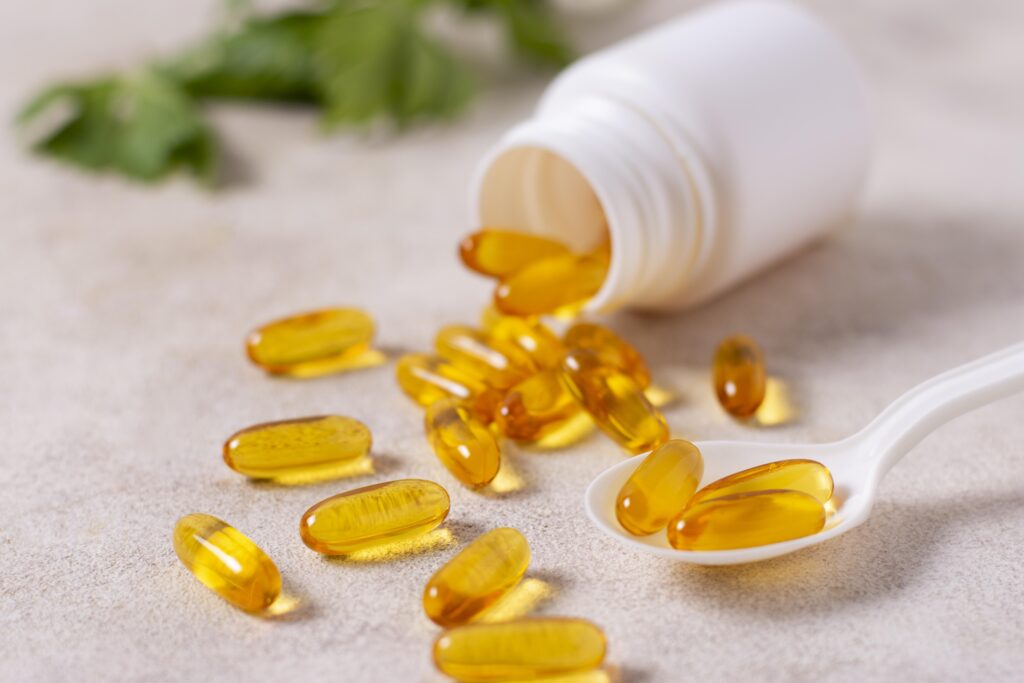




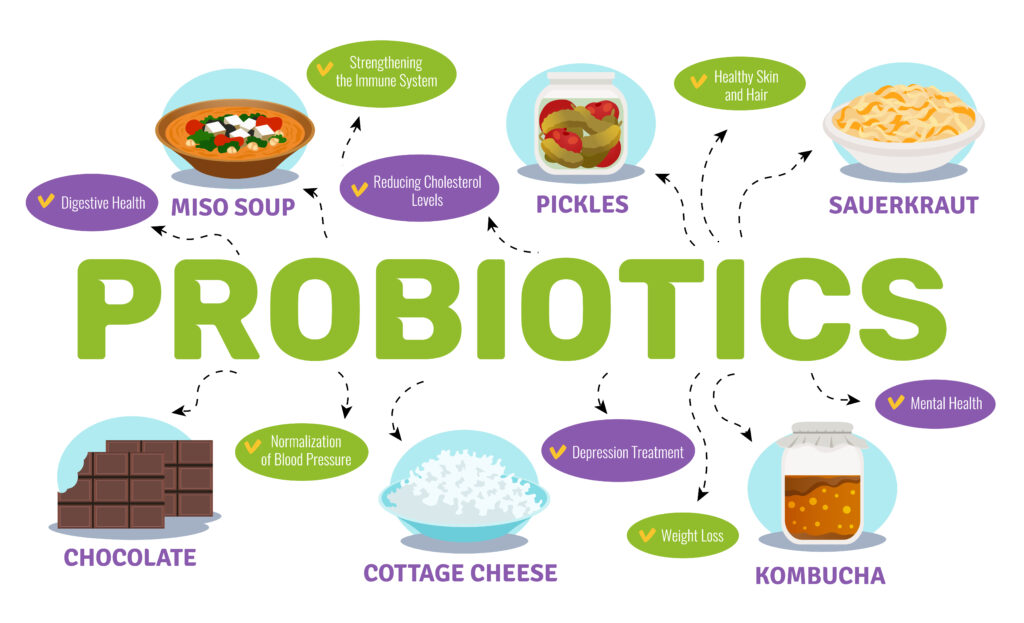


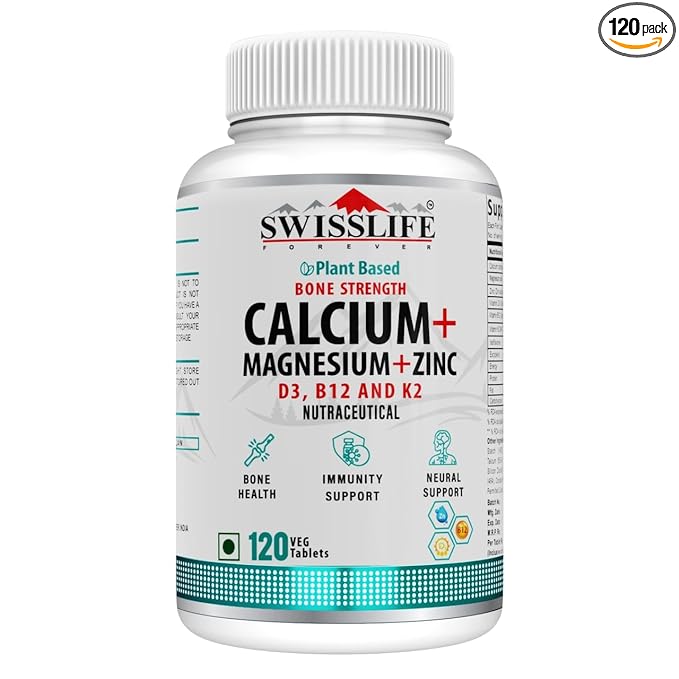
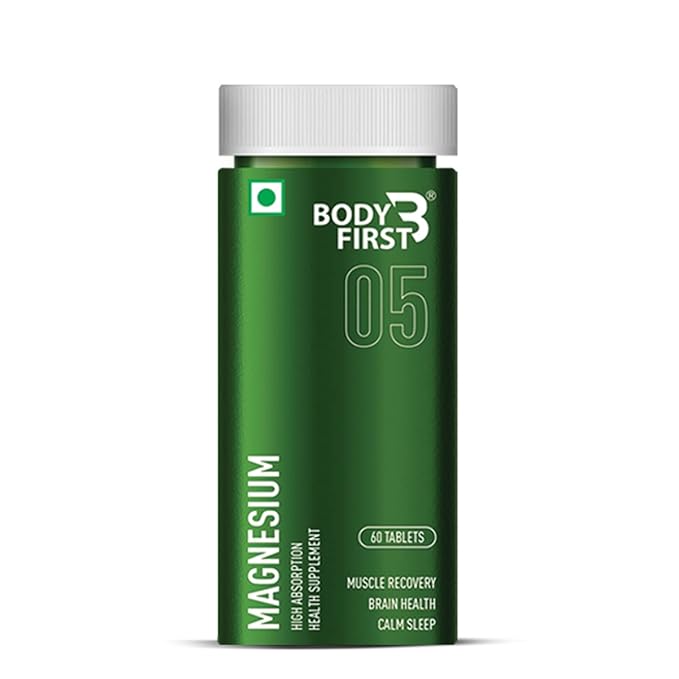














Leave a Reply